


Written By: BOSS Editorial
Reading Time: 4 minutes
The Fed’s lowering of interest rates is much-needed good news for clean energy
One of the key selling points of clean energy, of course, is that it’s renewable. Once the infrastructure is built, nature supplies the fuel for solar and wind energy. The sun shines, the wind blows, and batteries store the surplus. It’s renewable, and it’s basically free. That’s in sharp contrast to fossil fuel power plants, which require constant additions of fuel.
Building that infrastructure for clean energy means most of the cost comes upfront. And that means prevailing interest rates have a big effect on whether new projects get off the ground. Despite strong headwinds, including the shutting down of some projects near completion, recent Federal Reserve rate cuts have been welcome news for renewables.
Storms & Sunshine
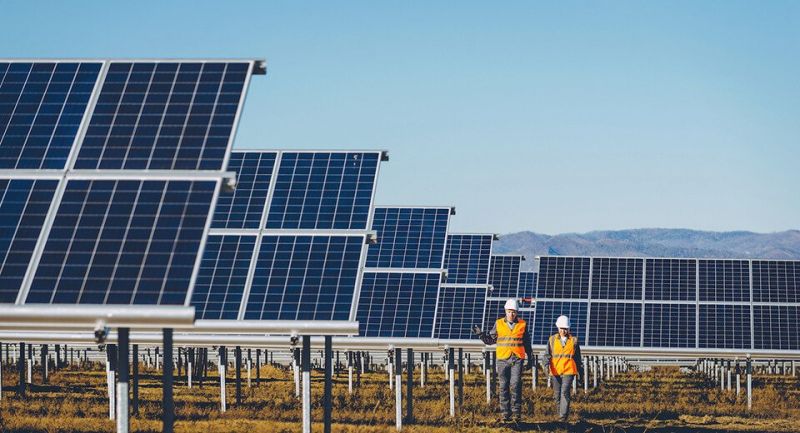
Renewables have seen a lot of ups and downs the last half-decade. Solar and wind power generation became cheaper than fossil fuel generation for the first time. The Biden administration supported clean energy and passed policy measures such as the Infrastructure Investment and Jobs Act and Inflation Reduction Act that funded renewable projects.
In March of 2022, the Federal Reserve began raising interest rates in an effort to tamp down rising inflation. In less than 18 months, rates from close to zero to over 5%, which took a heavy toll on clean energy stocks. The case was the same with central banks worldwide, as post-pandemic inflation soared. The funding from those Biden-era bills didn’t come all at once; it was spread out over several years.
Still, 2024 saw records for clean energy investment. According to the International Energy Agency, $2 trillion went to technology and infrastructure globally over the course of the year. In the U.S., investments in the production and deployment of clean energy hit $265 billion in 2024. There were 49 gigawatts of clean energy deployed in the U.S., accounting for 93% of new energy capacity.
“Private lenders co-led the charge, likely influenced by the more predictable and higher return on investment that renewables offer over traditional S&P 500 stocks. However, public support from clean energy tax credits, government and corporate power-purchase agreements, and low-interest financing from state energy financing institutions and community development financial institutions helped make this clean power and technology more accessible to households and communities,” the Rocky Mountain Institute reported.
The incoming Trump administration made its distaste for clean energy clear with executive orders that defunded and even stopped some projects. Despite the reversal in federal government support, renewables got a jolt in September when the Fed cut interest rates by 25 basis points after holding steady for the first nine months of the new presidential administration.
Demand Needs Supply
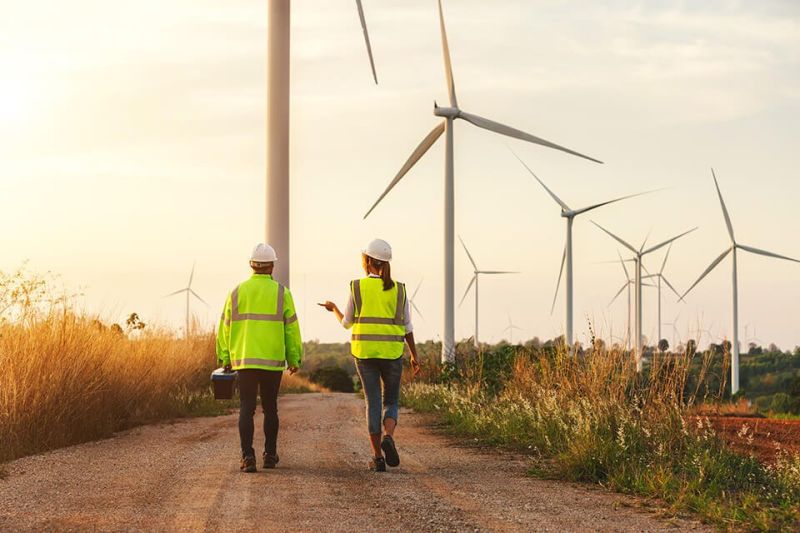
What isn’t stopping, however, is the rise in demand for electricity. With expansion of data center capacity to power AI and EV chargers and utility companies replacing old or damaged grid equipment, demand and electricity bills are going way up. Simply put, grids need more energy, and renewables are the main source of new capacity. NextEra Energy predicts the generation of another 450 GW by 2030, which means it will be demand more than policy that spurs growth in renewables. But lower interest rates will help.
September saw $800 million invested in renewable energy funds, the highest monthly total since April 2022. The iShares Global Clean Energy ETF went up 30% from January-September, signaling renewed optimism about clean energy’s future. Bloom Energy, which in July announced a deal with Oracle to provide hydrogen-enabled fuel cells for the latter’s data centers, saw its stock shoot up 300%.
“Bloom’s advanced fuel cell technology gives us the unique capability to design and construct modern AI factories with a holistic and innovative approach to power needs. As the world’s largest AI infrastructure investor, this partnership adds a powerful new tool to our global growth strategy, especially in a grid-constrained market environment,” Sikander Rashid, global head of AI infrastructure at Bloom investor Brookfield Asset Management said.
Brookfield announced in October it had raised $20 billion to fund clean energy, and JPMorgan Chase is adding $10 billion to a $1.5 trillion initiative for clean energy projects.
“It’s difficult to conceive of a situation in which they won’t need to tap into those sources of energy,” Chuka Umunna, JPMorgan’s global head of sustainable solutions, told Bloomberg Television.
Blackrock and Robeco report that lower interest rates have investors feeling much better about clean energy’s future than they did a year ago.
As Time’s Justin Worland put it, “In general, lower interest rates benefit growth-oriented, long-horizon investments.”
That describes clean energy to a T.
More Articles Like This


The Business Case for Investing in the Latest Solar Technology
Investing in the latest solar technology is not just an environmental imperative but a strategic business decision.

5 Ways EVs Can Boost Your Business’s ESG Score and Brand Reputation
Beyond just cutting emissions, EVs can play a vital role in enhancing your own company's ESG score and public image.

Could FCEVs Be the Silent Disruptor of the Electric Vehicle Market?
EVs and FCEVs offer solutions for sustainable transportation and emissions reduction.

Going On the Rails
California might be out front, but it's not the only place in the U.S. looking to add zero-emissions trains. Chicago's Metra bought eight two-car electric trains from Stadler in 2024.

Compact and Reliable: The New Era of Low-Voltage Equipment
Low-voltage products play a pivotal role in shaping safe, smart electrical systems.


