


Compact and Reliable: The New Era of Low-Voltage Equipment
Low-voltage products play a pivotal role in shaping safe, smart electrical systems.

Written By: BOSS Editorial
Reading Time: 5 minutes
As the world embraces smart technology, low-voltage products are paving the way for safer and more efficient electrical systems. You’ll discover how innovations in this field are transforming energy distribution and management, enhancing safety and reliability.
This article will investigate the latest advancements in low-voltage technology, including smart devices and integrated systems designed to optimize performance. By understanding these developments, you’ll gain insights into how they contribute to a sustainable future, ensuring that electrical systems meet current demands and are prepared for the challenges ahead.
What are Low Voltage Products?
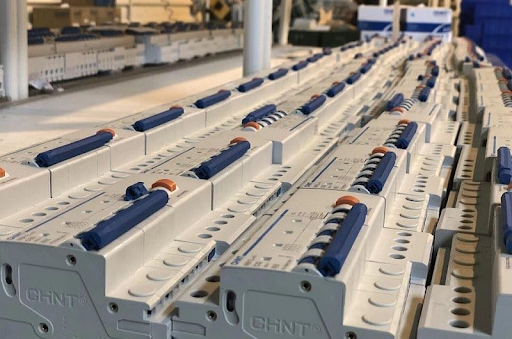
Low voltage products, typically operating under 1,000V AC, play a crucial role in modern electrical systems. These components drive efficiency, safety, and connectivity in smart environments.
Why Do They Matter?
Low voltage products matter because they enable safe energy distribution and help automation.
- Safety: They minimize the risk of electrical hazards, protecting users and equipment.
- Efficiency: Enhanced energy management leads to reduced power consumption.
- Integration: Their compatibility with advanced technologies supports smarter operations in various settings.
Consider how these factors can transform electricity use in residential and industrial applications. The benefits extend beyond just the traditional setups.
Market Drivers for Low-Voltage Products
Low voltage products play a critical role in shaping today’s electrical systems. Several key factors contribute to their increasing relevance.
Safety & Compliance Imperatives
Safety drives advancements in low-voltage products. A focus on protective features like self-healing systems enhances reliability. Standards demand that these products comply with stricter regulations, which benefits users by reducing electrical hazards and downtime.
Digitalization & Smart Infrastructure
Digital transformation reshapes the world of low-voltage offerings. These products increasingly integrate with IoT and AI technologies. This fusion makes predictive maintenance and remote monitoring viable, which helps firms optimize energy consumption while cutting costs. Low-voltage systems support smart grids, enhancing sustainability efforts and aiding renewable energy adoption.
Innovating Safe & Smart Low-Voltage Solutions
CHINT stands out in advancing safe and smart low-voltage products. Its commitment to safety and efficiency is reflected in various technologies and products that respond to modern electrical demands.
Comprehensive Product Family
An extensive array of low-voltage solutions is available. This lineup includes various types of equipment and systems for energy management. Such versatility allows for tailored solutions that meet distinct customer needs across different sectors.
Flagship Technologies
Noteworthy technologies highlight CHINT’s focus on innovation and reliability. Such advancements contribute to system efficiency and enhance safety measures.
| Product | Specifications |
|---|---|
| NGC5 Low-Voltage Switchgear | — Rated Voltage: Up to 1,000V AC |
| — Compact design for improved space efficiency | |
| — Provides extensive protection and control | |
| — Incorporates advanced technology for effective electrical distribution. Its compact construction streamlines installation while maintaining reliability. | |
| NM8N-HV Molded-Case Circuit Breaker | — Rated Voltage: Up to 1,150V AC |
| — Current Range: 63A to 630A | |
| — Breaking Capacity: 36kA or 50kA |
The NM8N-HV MCCB adapts well to high-voltage applications. Its zero-arcing interruption feature guarantees safer operation, especially in renewable energy setups.
Consider what these technologies can do for your energy management and distribution needs. Balancing safety with performance, they offer solutions for today’s electrical systems.
Customization & Support
Customization options for low-voltage products help you meet specific needs across various applications. Manufacturers often provide a range of configurations, enhancing flexibility. Consider these aspects when exploring your options:
- Design Variability: Low-voltage products can adapt to different requirements, allowing for specific functionalities. Some models may support modular designs.
- Support Services: Technical assistance is vital for installing and maintaining low-voltage solutions. Look for firms that offer training, troubleshooting, and ongoing support.
- Product Specs: Certain low-voltage devices, like the NM8N-HV MCCB, have specific features:
| Feature | Details |
|---|---|
| Rated Voltage | Up to 1150V AC |
| Breaking Capacity | 36kA or 50kA |
| Trip Unit Types | Thermomagnetic and Magnetic |
Exploring these support avenues may lead to improvements in performance and efficiency. Consider how customization can align with strategic goals in energy management. The right low-voltage solutions push your projects further. What are the goals you’re setting?
How Low-Voltage Products Enable the Future of Smart Electrical Systems
Low-voltage products are essential in developing smart electrical systems. Their advanced capabilities help meet the ever-growing demands for efficient, safe, and reliable energy management.
Integration with Renewable & Distributed Energy
Low-voltage products support the integration of renewable energy sources like wind and solar. They enable better efficiency in energy distribution systems. This realignment toward green energy solutions reflects some organizations’ shift, allowing for a more sustainable future.
Data-Driven Reliability
Reliable electrical systems use modern low-voltage switchgear with real-time monitoring. This capability reduces unexpected failures. Data-driven insights lead to optimized energy usage, lower operational costs, and a decreased carbon footprint.
Scalability for Rapid Urban Growth
Scalability is a critical feature of low-voltage products. Many businesses can expand operations without needing to overhaul the existing electrical infrastructure. Flexibility in these systems is necessary to meet the increasing demands of urban environments.
Conclusion
Low-voltage products play a pivotal role in shaping safe, smart electrical systems.
They significantly reduce energy consumption. Low-voltage LED lighting uses up to 75% less energy than traditional options. This shift lowers utility costs and minimizes environmental impacts.
Consider integrating smart technology. Devices now feature sensors, real-time monitoring, and data analytics, which improve power distribution management. You can optimize energy use based on demand, reducing waste and lowering operational costs.
Automation features such as self-diagnosis and optimization enhance performance. These functionalities improve operational efficiency and support proactive maintenance.
Low-voltage systems enable safety and adaptability in various applications. These innovations align with modern energy management goals, particularly in integrating renewable sources. Have you considered how these advancements could impact your projects?
More Articles Like This


The Business Case for Investing in the Latest Solar Technology
Investing in the latest solar technology is not just an environmental imperative but a strategic business decision.

5 Ways EVs Can Boost Your Business’s ESG Score and Brand Reputation
Beyond just cutting emissions, EVs can play a vital role in enhancing your own company's ESG score and public image.

Could FCEVs Be the Silent Disruptor of the Electric Vehicle Market?
EVs and FCEVs offer solutions for sustainable transportation and emissions reduction.

Going On the Rails
California might be out front, but it's not the only place in the U.S. looking to add zero-emissions trains. Chicago's Metra bought eight two-car electric trains from Stadler in 2024.
7 Secret Ways Workplaces Waste Electricity and What to Do About It
Here are seven secret ways workplaces waste electricity and simple, effective strategies to take back control.


