


5 Ways EVs Can Boost Your Business’s ESG Score and Brand Reputation
Beyond just cutting emissions, EVs can play a vital role in enhancing your own company's ESG score and public image.
Written By: BOSS Editorial
Reading Time: 5 minutes
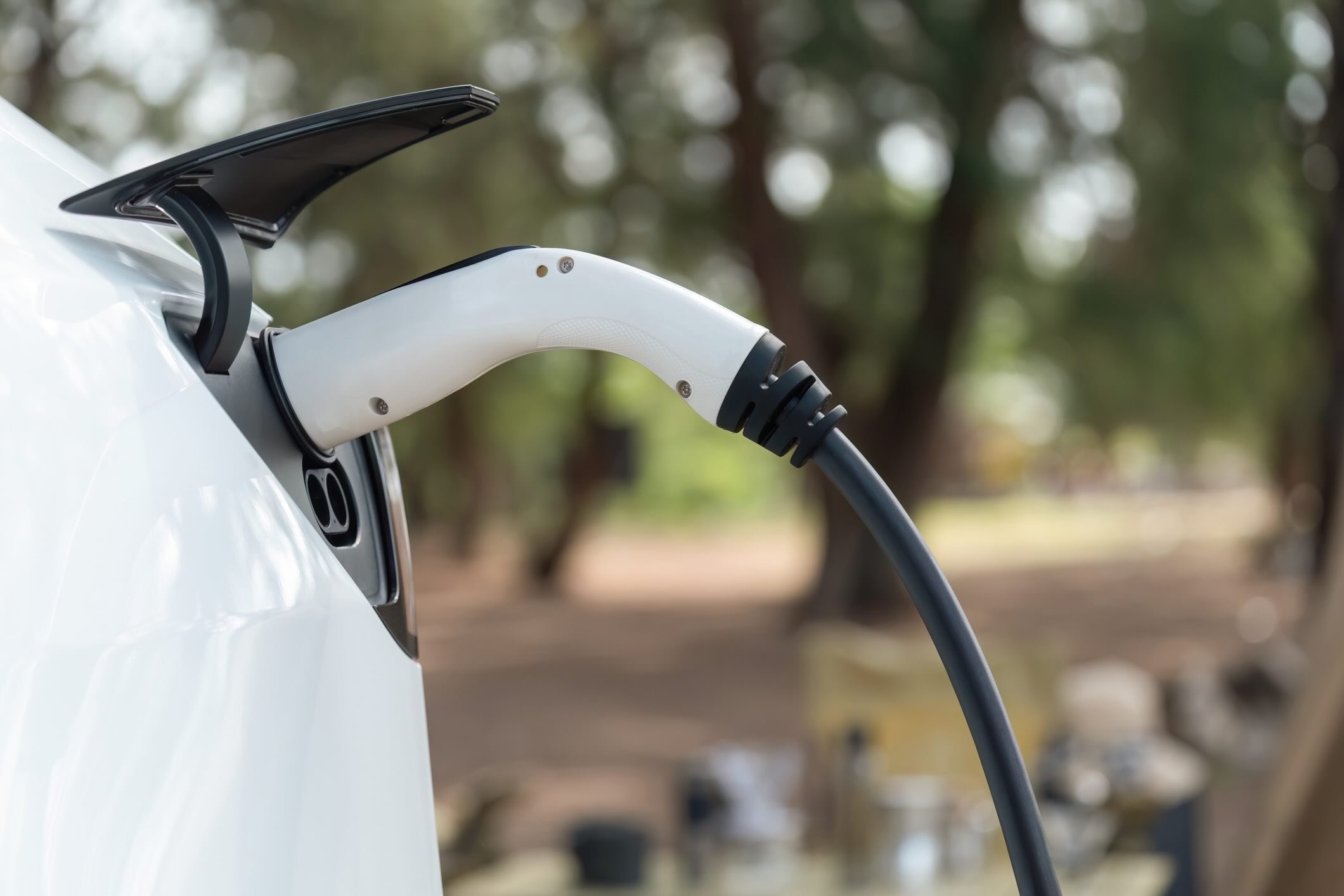
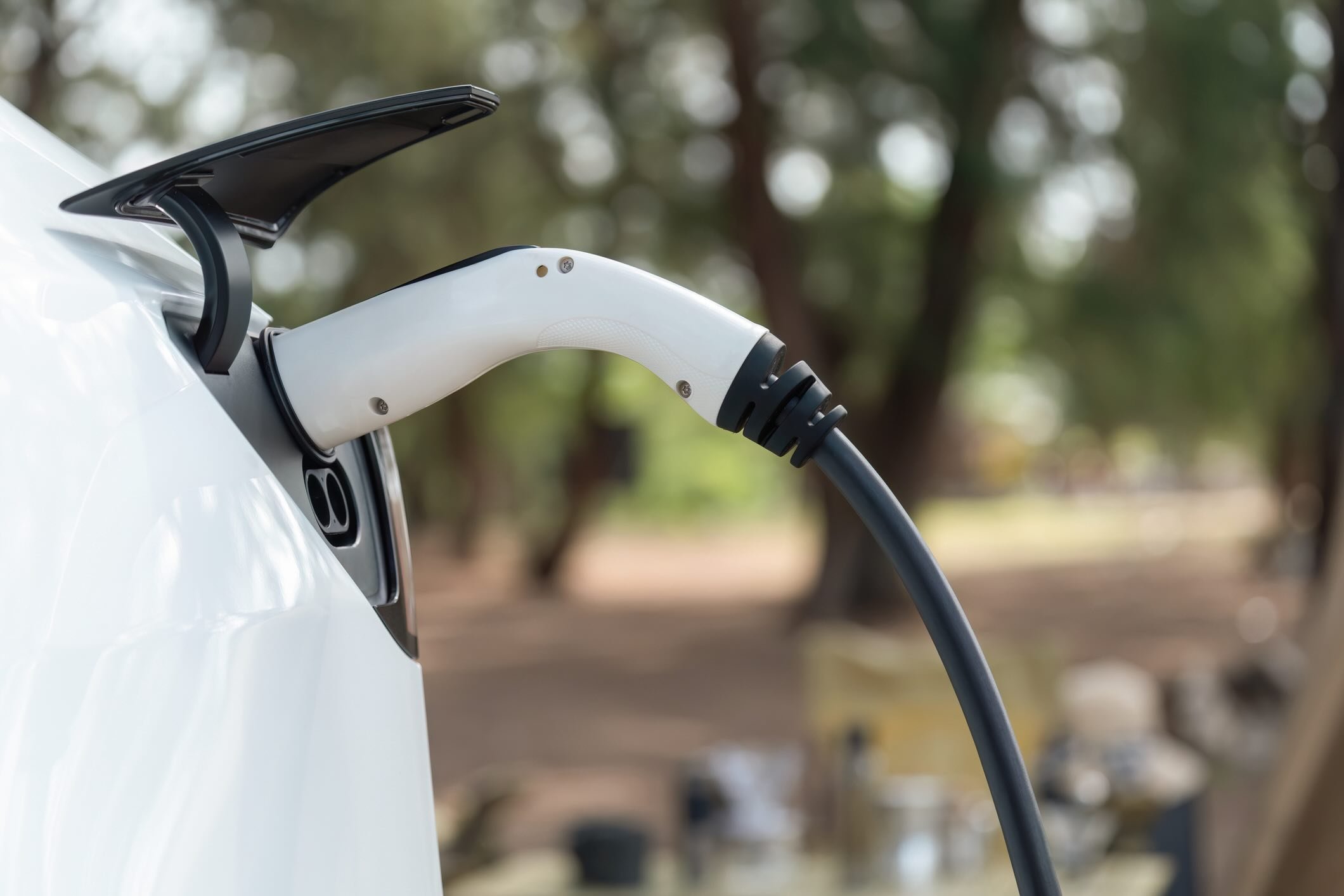
Electric vehicles (EVs) aren’t just trending; in a country like Singapore, they’re transforming how citizens live and do business. According to The Straits Times, EVs made up over 40.2 percent of all new car registrations in Q1 2025, up from 33.6 percent in 2024 and only 18.1 percent in 2023. That’s a huge leap in just two years, and it tells us something important: the shift to sustainability is in full swing.
Moreover, as the country moves towards its vision of having 100 percent cleaner energy vehicles by 2040, Singapore businesses have a growing opportunity to lead in environmental, social, and governance (ESG) performance by transitioning to EVs. Beyond just cutting emissions, EVs can play a vital role in enhancing your own company’s ESG score and public image. Whether you’re looking to impress eco-conscious customers or improve your ESG ratings, switching to EVs is a smart move—and here’s why:
1) They’ll Lower Your Emissions
The most immediate benefit of EVs is their role in cutting carbon emissions. Many ESG scoring frameworks consider this a key performance indicator. If you switch from petrol or diesel vehicles to EVs, you can measure this impact easily by using carbon accounting tools. These tools allow you to quantify the drop in CO₂ emissions and report it in your annual sustainability statements.
In practical terms, the drop in emissions is significant. EVs produce zero tailpipe emissions. When charged using renewable sources, the overall carbon footprint shrinks even further. This will become especially meaningful if you are seeking sustainability-linked financing.
For instance, some local banks offer a green loan for electric car purchases, allowing you to enjoy favourable loan terms while reinforcing the bank’s green initiatives. Access to such funding not only lowers financial barriers for EV acquisition, but also becomes a talking point in stakeholder communications.
2) They’ll Show Customers That You Walk the Talk
Anyone can say they’re committed to sustainability. But showing it is what counts, and a branded EV on the road does just that. Be it a service van, delivery vehicle, or company shuttle, an EV in your fleet can become a mobile billboard for your values.
Picture this: your EVs are quietly cruising around the CBD or parked outside a customer’s office. None of them are spewing exhaust or making noise; just doing the job cleanly. This sends a strong signal: “Our business takes its environmental responsibility seriously.”
And guess what? Customers notice and take note. That’s important in today’s market because consumers are increasingly loyal to brands that speak to their values. When you make the switch to EVs, you’re not just reducing emissions, but also building brand trust and setting yourself apart from the competition.
3) They Can Improve Employee Morale and Retention
Sustainability doesn’t just appeal to customers; it also matters to your team. In this case, if you transition to EVs, you’ll be offering a better experience for employees who drive and, in turn, sending a message that you’re investing in a greener future.
EVs are quieter, smoother, and generally require less maintenance. As a result, drivers experience less fatigue and fewer headaches dealing with engine problems. If employees feel that their employer values both their well-being and the environment by means of utilising EVs, they’re more likely to stick around.
Want to go even further? Offer internal training about EV charging, vehicle care, or energy-saving tips. These small actions will enhance your social responsibility score and help employees feel involved in your sustainability journey.
4) They’ll Save You Money in the Long Run
There’s a common misconception that “going green” is expensive. But in Singapore, EVs are becoming more affordable than their petrol counterparts, thanks to government rebates like the Vehicular Emissions Scheme (VES).
Take this example from The Straits Times article mentioned above: a BYD Atto 3 EV costs about SGD 157,888 with COE, after rebates. Meanwhile, a comparable petrol-hybrid like the Toyota Yaris Cross could run you SGD 180,888. That’s over SGD 20,000 in savings upfront.
And don’t forget operating costs. With fewer moving parts, EVs need less maintenance—no oil changes, no transmission issues, and lower brake wear thanks to regenerative braking. Add in lower fuel costs, and your business could be looking at serious long-term savings.
Those savings could go toward digital upgrades, staff training, or other green initiatives. From an ESG perspective, you’ll be proving that sustainability can also be financially responsible, which is a big plus for investors and stakeholders.
5) They’ll Strengthen Your Governance Through Reporting
To get the most ESG value out of your EV investment, you’ve got to track and report it. Fortunately, this doesn’t mean 30 pages of technical data. Simple, clear updates about how many EVs you use, how much carbon you’ve saved, or how your employees are responding are already enough information.
Include this data in your annual ESG report, investor presentations, or even on your website. That level of transparency can build trust and show that your company is serious about its environmental goals. Plus, good reporting helps you identify risks early, like charging infrastructure challenges or rising electricity costs, so that you can plan and adapt quickly.
Future-Proof Your Business with EVs
The momentum around EVs in Singapore is only getting stronger, and smart businesses are getting ahead of the curve. But it’s not just about buying new vehicles; it’s about reimagining how your company operates and how it’s perceived by the world.
You could be running a fleet of 10 or scaling up to 100. Regardless, transitioning to EVs is one of the most practical ways to boost your ESG performance and and positive public recognition for your brand. If you’re worried about the cost, remember that options like a green loan for electric cars can make the switch both affordable and strategic. In a country like SG, where sustainability isn’t just encouraged but expected, aligning your business with the green mobility movement is the smart thing to do.
More Articles Like This


The Business Case for Investing in the Latest Solar Technology
Investing in the latest solar technology is not just an environmental imperative but a strategic business decision.

Could FCEVs Be the Silent Disruptor of the Electric Vehicle Market?
EVs and FCEVs offer solutions for sustainable transportation and emissions reduction.

Going On the Rails
California might be out front, but it's not the only place in the U.S. looking to add zero-emissions trains. Chicago's Metra bought eight two-car electric trains from Stadler in 2024.

Compact and Reliable: The New Era of Low-Voltage Equipment
Low-voltage products play a pivotal role in shaping safe, smart electrical systems.

7 Secret Ways Workplaces Waste Electricity and What to Do About It
Here are seven secret ways workplaces waste electricity and simple, effective strategies to take back control.


