


The Business Case for Investing in the Latest Solar Technology
Investing in the latest solar technology is not just an environmental imperative but a strategic business decision.
Written By: BOSS Editorial
Reading Time: 3 minutes
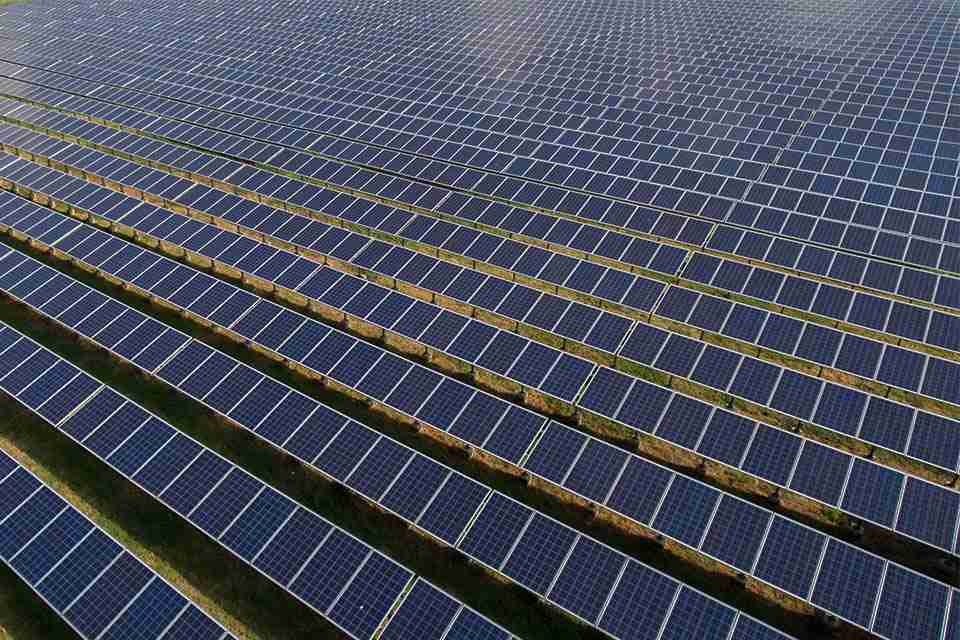
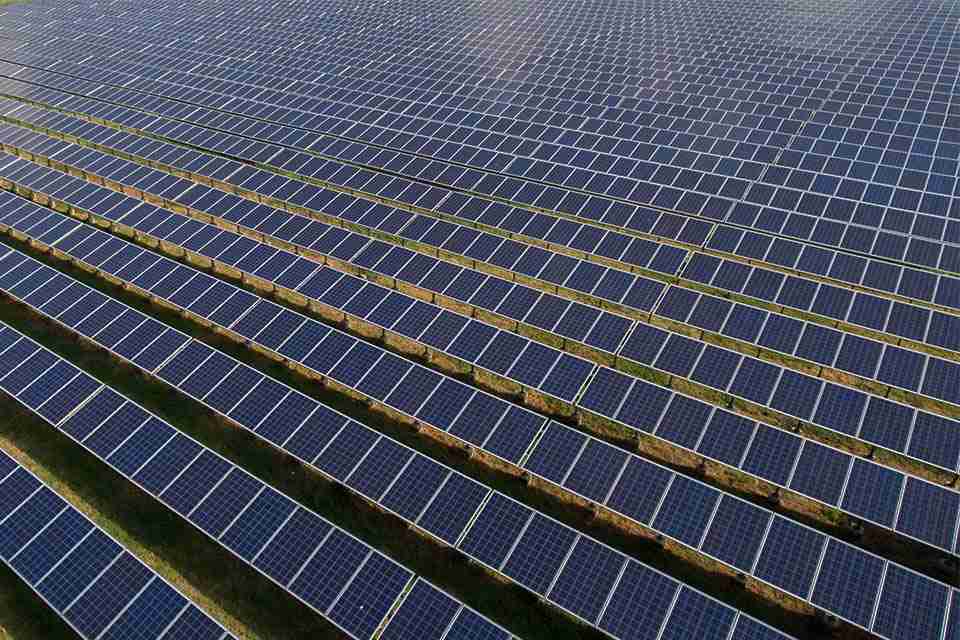
Investing in the latest solar technology is not just an environmental imperative but a strategic business decision. Companies are increasingly recognizing the financial and reputational benefits of adopting cutting-edge solar solutions, positioning themselves as leaders in sustainability and innovation.
As global awareness of environmental issues grows, companies are under pressure to adopt sustainable practices. By integrating new solar technology, businesses can significantly enhance their operational efficiency and brand image. This investment not only aligns with corporate social responsibility goals but also provides a competitive edge in the marketplace.
Financial and Operational Benefits of Solar Technology
Investing in the latest solar technology offers substantial financial benefits. Companies can achieve significant cost savings by reducing their reliance on traditional energy sources. The advanced efficiency of modern solar systems leads to lower energy bills and a reduced carbon footprint, making it a financially sound investment.
Technological advancements, such as perovskite-based solar cells, have made solar energy more accessible and efficient. These innovations offer higher performance and lower costs compared to traditional silicon-based panels. By adopting these technologies, businesses can improve their bottom line while contributing to a more sustainable future.
Furthermore, the integration of solar technology into business operations can streamline energy management and increase resilience against fluctuating energy prices. This strategic move not only enhances operational efficiency but also positions companies as forward-thinking leaders in their industries.
The return on investment (ROI) for solar technology has improved dramatically in recent years, with most businesses seeing complete cost recovery within 5-7 years. Modern solar installations also come with sophisticated monitoring systems that provide real-time data analytics, allowing companies to optimize their energy consumption patterns and further maximize their savings. Additionally, many governments offer tax incentives and grants for businesses investing in renewable energy, making the initial investment more manageable and accelerating the path to profitability.
Case Studies: Successful Solar Technology Investments
Several companies have successfully invested in the latest solar technology, reaping both financial and reputational rewards. For example, Apple has installed solar panels across its global facilities, aiming to power its operations with renewable energy. This initiative has reduced operational costs and reinforced Apple’s image as a sustainability leader.
Similarly, Walmart’s investment in solar energy has been a strategic move to cut electricity costs and reduce its carbon footprint. By installing solar panels on the roofs of its stores and distribution centers, Walmart has demonstrated its commitment to environmental stewardship, enhancing its brand reputation.
These examples highlight the tangible benefits of investing in solar technology. Companies that embrace these innovations not only achieve cost savings but also gain a competitive advantage by aligning with consumer values and expectations.
Enhancing Brand Reputation Through Solar Investments
Investing in the latest solar technology can significantly enhance a company’s brand reputation. Consumers are increasingly drawn to businesses that demonstrate a commitment to sustainability and environmental responsibility. By adopting solar technology, companies signal their dedication to reducing their environmental impact, which resonates with eco-conscious consumers.
This commitment to sustainability can lead to increased brand loyalty and trust. Companies that prioritize renewable energy sources often enjoy enhanced visibility and credibility in the marketplace, attracting like-minded partners and investors.
Moreover, a strong reputation for sustainability can differentiate a company from its competitors, providing a unique selling point that appeals to a growing segment of environmentally aware consumers.
Overcoming Challenges in Solar Technology Adoption
While the benefits of investing in the latest solar technology are clear, businesses may face challenges in the adoption process. Initial costs for installation and maintenance can be significant, but the long-term savings and benefits often justify the investment.
To overcome potential barriers, companies must stay informed about technological advancements and effectively communicate the benefits of solar technology to stakeholders. Addressing misconceptions about the reliability and efficacy of solar solutions is crucial for successful adoption.
By transparently reporting progress towards sustainability goals and demonstrating the financial and environmental benefits of solar investments, businesses can effectively align themselves with global trends towards renewable energy adoption.
More Articles Like This


5 Ways EVs Can Boost Your Business’s ESG Score and Brand Reputation
Beyond just cutting emissions, EVs can play a vital role in enhancing your own company's ESG score and public image.

Could FCEVs Be the Silent Disruptor of the Electric Vehicle Market?
EVs and FCEVs offer solutions for sustainable transportation and emissions reduction.

Going On the Rails
California might be out front, but it's not the only place in the U.S. looking to add zero-emissions trains. Chicago's Metra bought eight two-car electric trains from Stadler in 2024.

Compact and Reliable: The New Era of Low-Voltage Equipment
Low-voltage products play a pivotal role in shaping safe, smart electrical systems.

7 Secret Ways Workplaces Waste Electricity and What to Do About It
Here are seven secret ways workplaces waste electricity and simple, effective strategies to take back control.


