


Written By: Damien Martin
Reading Time: 5 minutes
That’s why cities are using it to cool their buildings
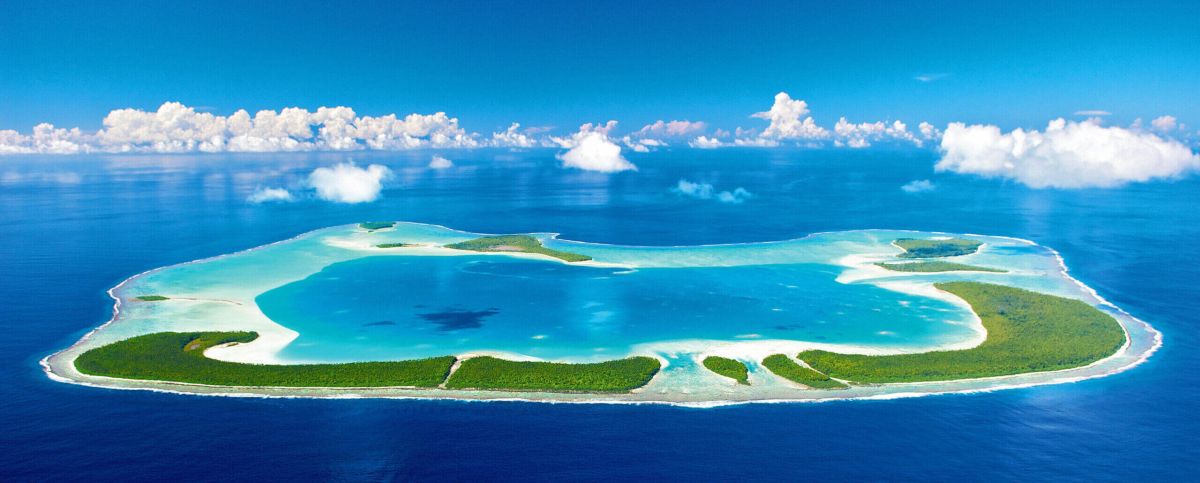
If you’re fortunate enough to visit the islets that make up Tetiaroa in French Polynesia, you’ll learn that it’s more than cool ocean breezes that make the experience so pleasant. The Brando – yes, named after Marlon Brando, who acquired a 99-year lease on the atoll – uses ocean water from deep beneath the waves to cool the resort’s air and fresh water. The system, powered mostly by water pressure, draws cold water from nearly 3,000 feet below the surface and uses a closed-loop heat exchanger to send hot air to the depths and cool the resort, using only about 10% of the energy that standard air conditioning does.
As impressive as the system is, you might be even more impressed to learn that you don’t have to jet off to a boutique hideaway in a remote part of the world to experience deep water source cooling. In the heart of some major world cities, similar techniques are driving the fight against rising temperatures while conserving energy.
From the Depths
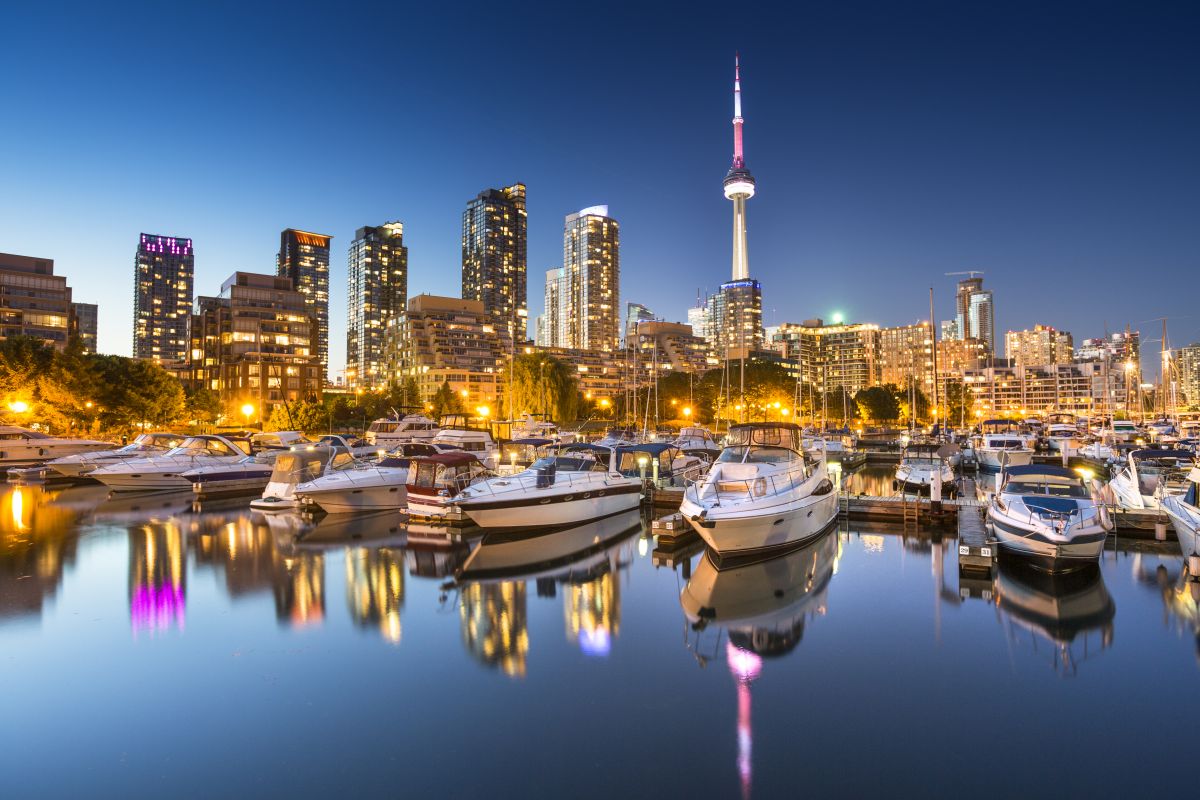

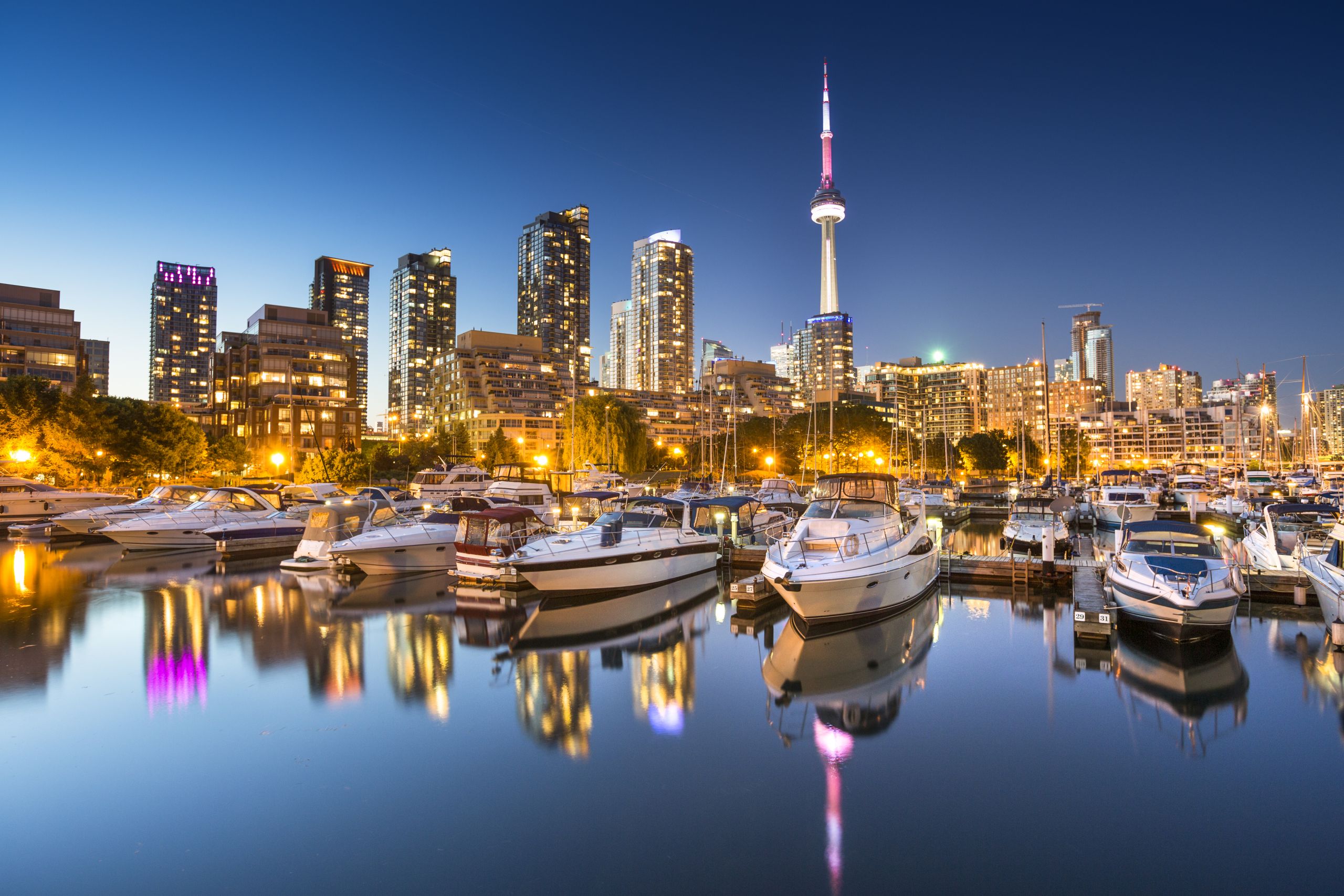
On the shores of Lake Ontario, Toronto is Canada’s largest city and financial center. As such, it’s leading the way in the country’s efforts to have net zero emissions by 2050. In the city’s downtown, approximately 200 buildings are cooled by Enwave Energy Corp.’s deep lake water cooling system. About 25 miles of pipes run under the streets and 3 miles into the lake, where they draw water from 280 feet below the surface, where temperatures are around 40 degrees Fahrenheit.
The pipes converge at a heat transfer station at Pearl Street, which functions as a large-scale version of the heat exchanger at The Brando. The water circulates through more than 40 million square feet of office buildings, cooling them in summer. In winter, Enwave heats the water electrically, warming the buildings. The water is treated and used as drinking water after it circulates through the buildings, and what is not used for drinking water goes back into the lake at basically the same temperature it was when it left.
The latest expansion of the DLWC system, which launched in 2004, is bringing it to 40 more buildings.
“The Pearl Street project is a facility we call Enwave Green Heat that will provide enough low-carbon heating to make it possible to have an additional 10 million square feet of commercial towers in downtown Toronto net-zero heated,” Enwave CEO Carlyle Coutinho told The Globe and Mail.
Canada’s Low Carbon Economy Fund and the Canada Infrastructure Bank are funding the expansion, which mayor Olivia Chow said “is serving more people and cooling more buildings — while reducing emissions and helping us reach our climate goals.”
City of Light, City of Water
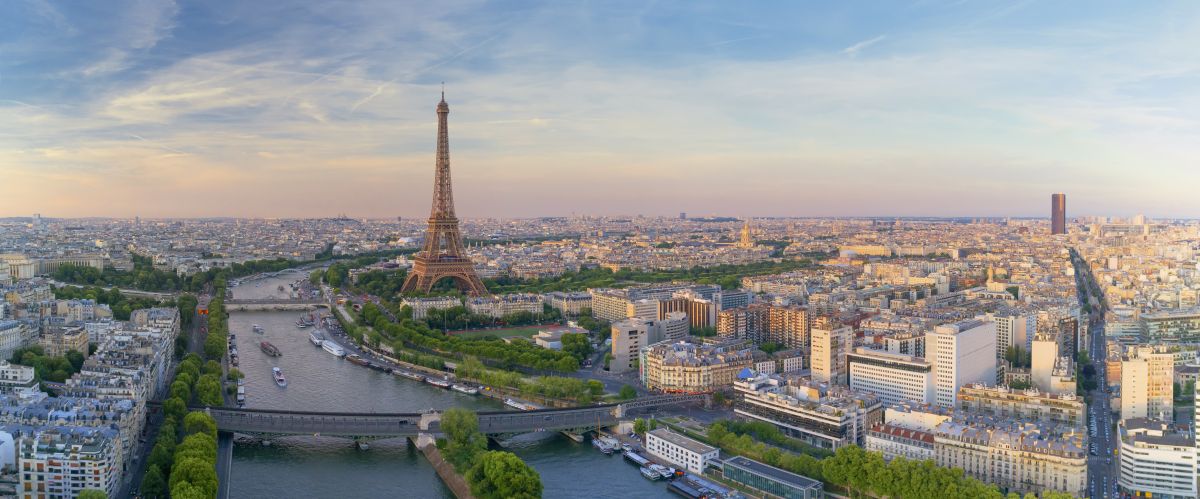
Paris wasn’t built on an ocean or a lake, but the River Seine flows through its center and is a vital part of the city’s history. In the modern age, the river serves as the driving force for Europe’s largest cooling network. In a city that once got by without air conditioning but has seen summer temperatures as high as 109° F in recent years, the river provides an important solution as electricity prices rise. Water is 800 times denser than air, making it an effective conduit of heat, and unlike air conditioning, it doesn’t just dump the hot air right outside the building.
“The buildings pick up the coolness of water that we deliver and will use it for air-conditioning,” Raphaelle Nayral, secretary general for Fraicheur de Paris, told Reuters.
The system brings Seine water into heat exchange facilities, where it absorbs heat from a separate closed loop of water that runs through buildings. The cooled water then goes through smaller heat exchanges and into air conditioning units in individual rooms. The heated water is transferred to a river or lake.
Expanding outside central Paris, Fraicheur de Paris hopes to triple the size of its network to more than 150 miles of pipes by 2042. That will serve more than 3,000 buildings, a major jump from the 800 or so it serves today. Its biggest and most famous customer is the Louvre, which draws about 12 megawatts of cooling power, about 25 times as much as a standard office building.
The Seine is UNESCO-protected, and Fraicheur de Paris is not allowed to put water back in the river at temperatures above 86 Fahrenheit. What will happen if temperatures, which heated the river to about 81 degrees last summer, keep rising?
“We will have to make a decision. Can we run the chillers at a higher temperature range, so we can still have a heat exchange with the River Seine — or do we want to develop other facilities?” Nayral told Wired.
Stay Cool
A reliable water source has always been vital to cities. Rivers and lakes have provided fresh water for drinking, agriculture, and sanitation that allowed communities to grow into world cities. They, along with saltwater ports, have connected these places to the rest of the world, serving as highways that facilitate trade and cultural exchange.
It’s only fitting, then, that as the needs of cities and the people who live in them change, they adapt the waters to their purposes once more.
“In the old days, it was more like a luxury product,” Deo de Klerk of Eneco, a Dutch energy company that uses water from the River Meuse to cool homes and businesses in Rotterdam, told Wired.
These days, it’s becoming a necessity. And once again water is the source of solutions.
More Articles Like This


The Business Case for Investing in the Latest Solar Technology
Investing in the latest solar technology is not just an environmental imperative but a strategic business decision.

5 Ways EVs Can Boost Your Business’s ESG Score and Brand Reputation
Beyond just cutting emissions, EVs can play a vital role in enhancing your own company's ESG score and public image.

Could FCEVs Be the Silent Disruptor of the Electric Vehicle Market?
EVs and FCEVs offer solutions for sustainable transportation and emissions reduction.

Going On the Rails
California might be out front, but it's not the only place in the U.S. looking to add zero-emissions trains. Chicago's Metra bought eight two-car electric trains from Stadler in 2024.

Compact and Reliable: The New Era of Low-Voltage Equipment
Low-voltage products play a pivotal role in shaping safe, smart electrical systems.


