


Strategic Partners

A Lion of the Crisis
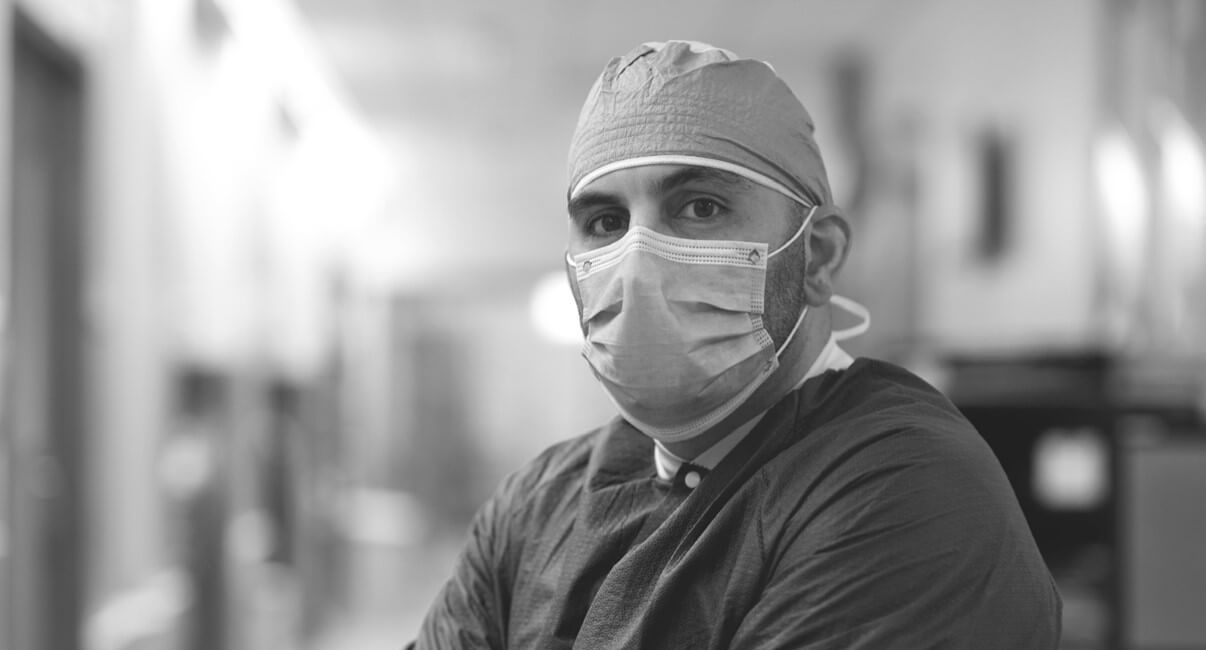
As Chief Pharmacy Officer and Assistant Vice President of Clinical Operations at New York’s Hospital for Special Surgery (HSS), the largest academic medical center specializing in musculoskeletal health, Jawad Saleh has been instrumental in advancing pain management practices
The Chief Pharmacy Officer and AVP of Clinical Operations at New York’s Hospital for Special Surgery speaks out on the hospital’s vital work to end the global opioid crisis
Success in the healthcare industry depends on your place within it. A tidal wave of impacts and expectations flood healthcare organizations every day; perspectives on leadership, operational efficiency, quality, and innovation differ for executives, insurance providers, clinicians, researchers, and patients, whose viewpoints are frequently at odds with each other.
Jawad Saleh, Pharm.D., MCSO, B.S.Phm., BCPS, BCCCP has demonstrated a strong commitment to enhancing healthcare delivery through leadership, operational excellence, and clinical expertise. As Chief Pharmacy Officer and Assistant Vice President of Clinical Operations at New York’s Hospital for Special Surgery (HSS), the largest academic medical center specializing in musculoskeletal health, he has been instrumental in advancing pain management practices, advocating for multimodal analgesia approaches to reduce opioid reliance.
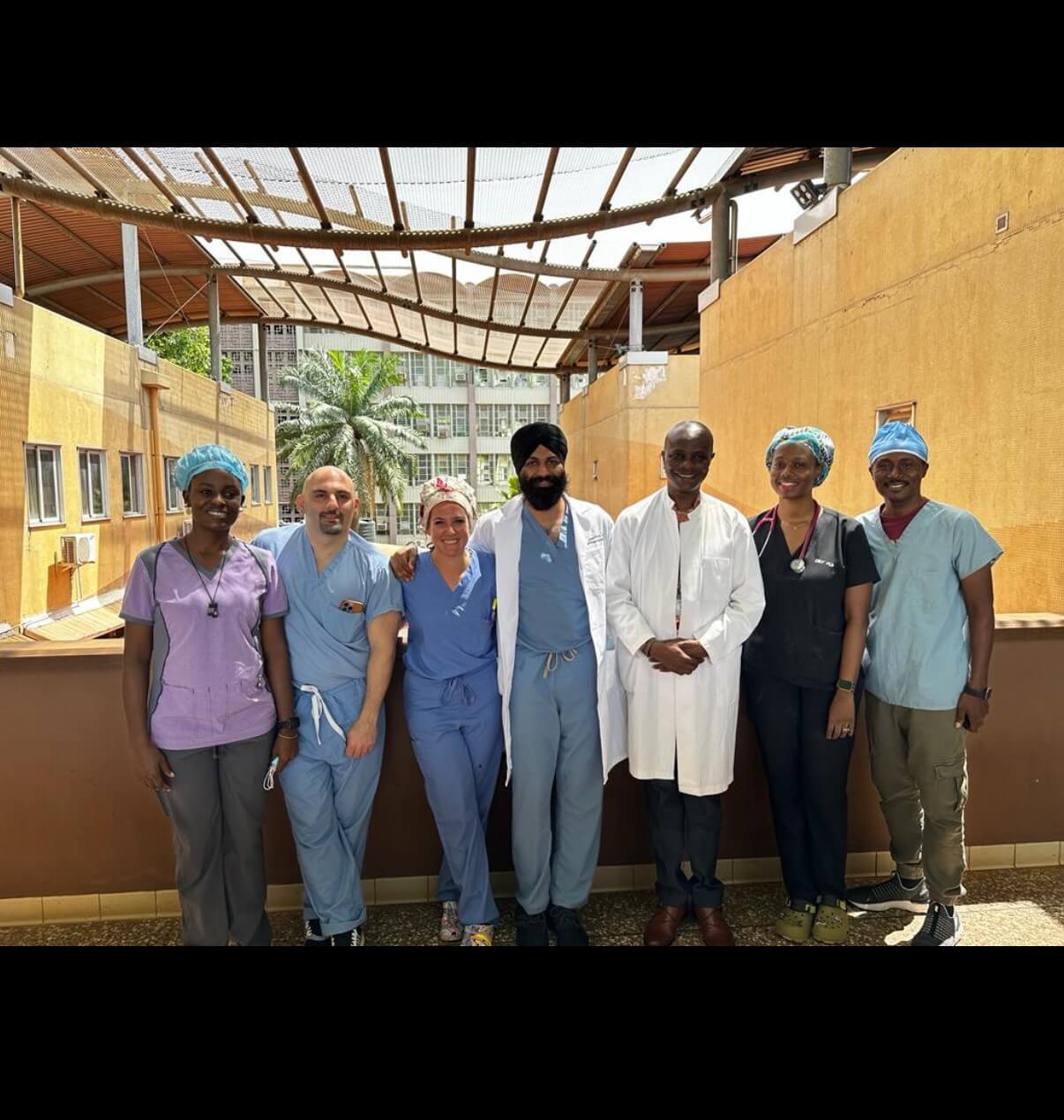
“The opioid crisis is a big deal. It’s close to my heart,” he told BOSS. At a recent TED talk, he took an unconventional route to get a message across that’s been shouted to the industry a million times but has largely fallen on deaf ears. “I’m frustrated. I’ve published. I’ve lectured. I’m one of the directors for the HSS global humanitarian program. I went to Ghana, and I’m heading back to Africa to talk about the opioid crisis.” With the enormity of that struggle, rapping a desperate plea for change isn’t unorthodox at all.
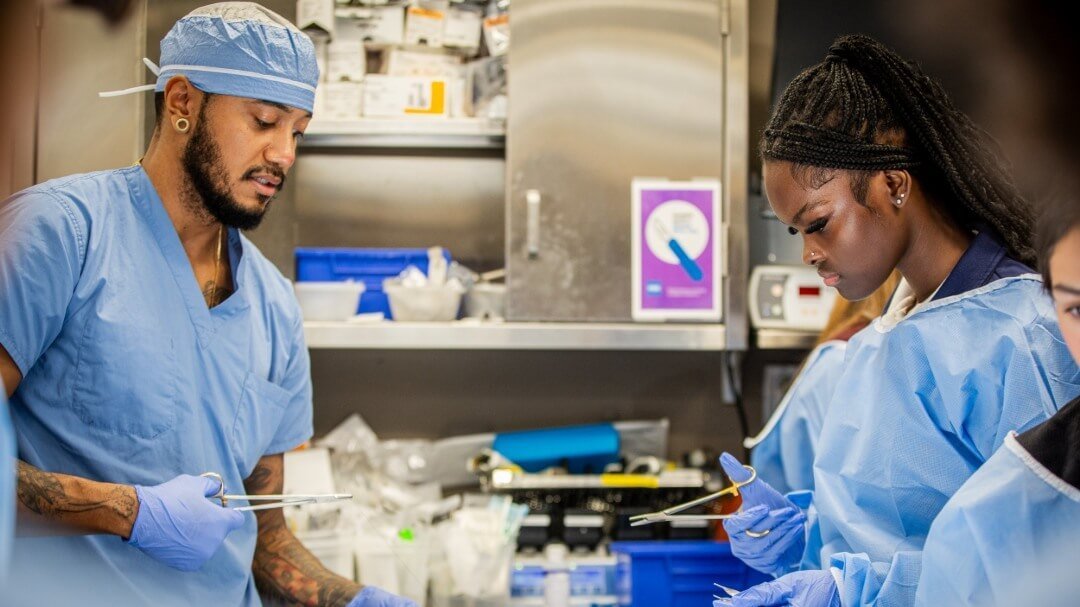
“At HSS, our pain team has been at the forefront of groundbreaking efforts in opioid reduction and pain management. We are deeply committed to improving patient care and transforming how we approach pain treatment,” Jawad explains. The HSS Pain Screening Service is designed to assess pain and opioid use before surgery, significantly reducing the reliance on opioids after surgery. They’ve built a cutting-edge Pain Registry to track critical perioperative pain variables, allowing clinicians to use data to predict and prevent complicated pain outcomes. The Pain Catastrophizing Scale helps identify patients who may be at higher risk of emotional distress related to pain, enabling pain specialists to intervene early and provide tailored care. Through the Empowered Relief Program, they offer patients psychosocial support, empowering them to reduce their reliance on opioids and improve their recovery. “We’ve also developed the Outpatient Opioid Tapering Protocol to minimize pill burdens while maximizing recovery outcomes. Our Standardized Education Platform ensures prescribers meet strict NYC and DEA requirements, leading to a dramatic reduction in opioid prescriptions.” Lastly, the Opioid Discharge Prescribing Guideline promotes safe, mindful prescribing practices, resulting in a significant reduction in opioid pill use each year. Every step they’ve taken is driven by the unwavering dedication to enhancing patient safety, optimizing pain management, and reducing the risks associated with opioids.
Capturing the number of opioids being used by healthcare organizations is a daunting proposition. “It’s very difficult to capture on a macro level and then to go down to a micro level,” he explained. To ease that difficulty, the Harvard Medical School trained clinical operations specialist created a novel opioid stewardship dashboard that gets clinicians and researchers much closer to accuracy.
The sophisticated dashboard tailored to meet the requirements of regulatory bodies while providing critical insights into pain management practices, tracks benzo opioid combinations, naloxone, and flumazenil reversals, 24-hour opioid free days and daily morphine milligram equivalents (MMEs). “Many people in the pain world don’t only ask what meds you’re on but gauge the impact based on MMEs. It paints a different picture for us to calculate the amount of morphine equivalents per day versus only asking, ‘What specific medications are you taking in the hospital?’”
The MME dashboard is segmented by individual service lines and can be parsed by surgery type, and by anesthesiologist or by surgeon to track the amount of MMEs a patient received by day, month, or week. The tech correlates the length of a surgery to morphine equivalents, and also makes the connection between MMEs and length of stay. “It’s very, very novel,” he admitted. He developed the dashboard for his Harvard Med capstone project, and it is in use at HSS.
“I’ve gotten some great feedback along the way from the pain service and our surgeons, but I can’t take credit for everything. I created a dashboard, but an interdisciplinary approach was critical, and a lot of the feedback to tweak it came from my team.”
Switching gears to diversion and prescribing habits, Saleh encouraged organizations to make sure they have the right system in place. He emphasized the importance of utilizing technology and machine learning to help quantify prescribing habits that can ultimately be translated into a scoring system, which can then create a shift analysis. “These risk scores are great,” Saleh enthused. The scores track trends and behaviors of medication removals in different automated dispensing cabinet machines and deliver a report on anything that indicates opiate diversion, which is the abuse of prescription drugs for purposes not intended by the prescriber.
“It’s important to be able to interpret the data correctly. Many times, it may not be a diversion and labeled as noise, but in reality, they are trends of bad practice,” he added, noting that when diversion issues arise, they’re evaluated by the pharmacy and corporate compliance for review and remediation. When necessary, staff are retrained. “Utilizing these diversion programs when we talk about the opioid crisis is phenomenal.”
“They say, ‘No margin, no mission.’ I say, ‘Bargain, but listen.’”

A world leader in orthopedics, rheumatology, and rehabilitation, HSS never denies patient care or best practice regardless of a patient’s length of stay. They maintain the lowest readmission rates for orthopedics in the nation, and among the lowest rates for infections and complications. Patients come to HSS from all 50 states and more than 100 countries and treat members of professional sports teams and athletic associations from around the world.
With its state-of-the-art technology, large patient volume, and “bench to bedside” teams of doctors and scientists, HSS can swiftly translate scientific breakthroughs into clinical treatments. The global standard total knee replacement was developed at HSS in 1969, and in 2016 the HSS Innovation Institute was formed to evaluate and realize the potential of new drugs, therapeutics, and devices.
HSS helps their underinsured patients to get the treatment support they need by dispensing courtesy scripts when needed, such as providing free naloxone kits upon discharge. “We’re finding the sweet spot needed to treat our patients with the highest quality care, while securing a margin that enables us to continue to innovate and transcend the field further. Negotiating with insurance companies is a key component to doing so.”
HSS prides itself on efficiency, by providing superior care and negotiating with drug companies simultaneously. “What we’re negotiating is efficiency,” Saleh said. That focus enables them to provide excellent patient experience in a lean and efficient manner, allowing more wiggle room when providing care.

From Saleh’s perspective, efficiency is about fostering a culture of recognition, continuous learning, and teamwork, ensuring that everyone understands the impact of their efforts on the organization’s mission. By aligning efficiency with both patient care and employee well-being, you can motivate your team to work smarter and achieve more. Healthcare is fighting for its survival and sandwiched between lower reimbursements and rising costs. Diversifying revenue and promoting innovations is vital to succeeding in this market. Keeping a close eye on the cost of goods and supply chain is imperative, and to do so, he suggests that leaders must hammer group purchasing or direct contracting organizations down as low as possible on contracts. “You may not be able to control the reimbursement, but you can try to control the costs as best you can. If you work on those things, not only will you survive another day, but you will continue to grow and prosper.”
At the April 2024 TED talk, “Demons in the Pillbox,” one of Saleh’s pleas to healthcare organizations included “create opioid stewardship programs, foster a culture of collaboration, promote psychological safety, and remove toxic leaders.” His final message was for those of us who have lost loved ones to the crisis: “We are all sorry we failed you. But hope is near, and together is the only way we could win.”
—
HSS is a world leader in orthopedics, rheumatology and rehabilitation. At its core is Hospital for Special Surgery, the largest academic medical center specialized in musculoskeletal health founded in 1863. Ranked #1 in Orthopedics worldwide by Newsweek (3 consecutive years) and nationwide by US News & World Report (15 consecutive years). Ranked a national leader in Rheumatology and a Best Hospital for Pediatric Orthopedics by US News & World Report. HSS leadership spans patient care, research, and education.
HSS maintains the lowest readmission rates for orthopedics in the nation, and among the lowest rates for infections and complications. HSS medical staff are faculty of Weill Cornell Medical College. It is the first hospital in New York State to receive Magnet Recognition for a fifth consecutive time.
Patients come to HSS from all 50 States and more than 100 countries. HSS treats most patients non-surgically, but still performed more than 38,000 surgeries in 2022.
HSS treats athletes from more than 100 professional sports teams from around the world, as well as the majority of all teams in Major League Baseball, National Basketball Association, the National Football League, and the National Hockey League. HSS is the Official Hospital and provides Team Physicians to more than 20 high performing teams and leagues including Major League Pickleball, the New York Giants, New York Knicks, Brooklyn Nets, New York Liberty, New York Mets, New York Red Bulls, New York Road Runners, National Basketball Players Association, US Youth Soccer, and UFC. Designated a Medical Center of Excellence by Fédération Internationale de Football Association (FIFA).
HSS is the only hospital in North America designated by the World Economic Forum to serve in the Global Coalition for Value in Healthcare.
HSS helps Fortune 100 companies and other large employers reduce the burden of musculoskeletal conditions on their workforce.
—
Corporate Office
535 E 70th St.
New York, NY 10021
Phone Number: 212.606.1000
Fax Number:
Email:
Homepage Link: https://www.hss.edu/
Facebook: https://www.facebook.com/hspecialsurgery
Twitter: https://x.com/hspecialsurgery
LinkedIn: https://www.linkedin.com/company/hospital-for-special-surgery/
YouTube: https://www.youtube.com/hspecialsurgery
Instagram: https://www.instagram.com/hspecialsurgery/
—


