


Turning Logistics Into a Competitive Advantage for Growing Businesses
Written By: BOSS Editorial
Reading Time: 6 minutes
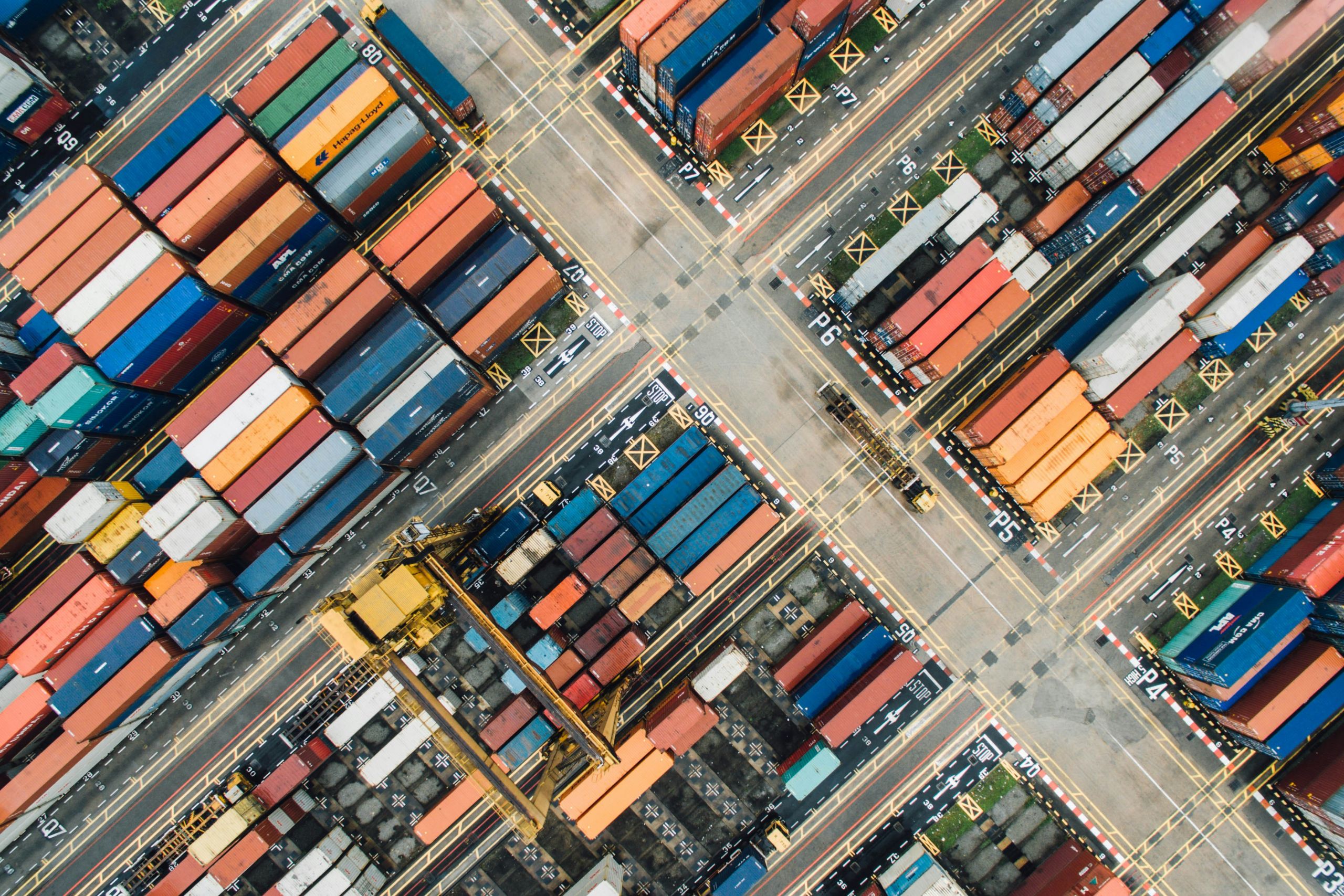
Photo by CHUTTERSNAP on Unsplash
Growing businesses often manage logistics reactively: negotiate a rate, ship the order, and absorb the exception. A company can post strong sales while quietly losing margin whenever an order leaves the warehouse. Freight premiums, handling exceptions, slow returns, and poorly placed inventory rarely appear in one report, so the pattern can remain hidden until growth magnifies it.
The same supply chain function also shapes delivery promises, margin per order, and customer satisfaction, including whether a buyer orders again. The question is how a lean team can move from reacting to individual costs toward a deliberate operating model that supports competitive advantage. The answer begins with identifying where logistics creates value, then examining where money leaves the business and which services belong inside or outside the company.
Where Logistics Turns Into Real Advantage
Logistics creates competitive advantage through four distinct mechanisms. Although each can produce value, they require different operating choices and investments.
- Lower cost to serve: Cost reduction comes from network design and freight consolidation, not annual carrier negotiations alone. UPS demonstrates how network density can support a durable cost position.
- Faster time to market: Shorter delivery times improve product availability and can become part of the service promise. Amazon monetized delivery speed because customers value that convenience.
- Service differentiation: Dependable fulfillment, clear communication, and efficient returns shape customer satisfaction. These capabilities give customers reasons to reorder beyond price or product features.
- Agility and flexibility: A responsive supply chain can adjust when tariffs change, suppliers fail, or demand spikes. This mechanism is often overlooked until established plans stop working.
Most growing businesses can fund one mechanism at a time. Accordingly, prioritize the outcome behind customer complaints, lost orders, or switching behavior rather than pursuing all four simultaneously.
Find Out Where Logistics Is Leaking Margin
Technology and outsourcing amplify the cost structure already in place. If that structure is poorly understood, new systems merely process unprofitable orders faster. The sequence should be to measure, decide, and then automate, using supply chain visibility to connect operational activity with actual margin.
Cost to Serve, Customer by Customer
A cost-to-serve analysis assigns pick, pack, freight, exception handling, and returns expenses to individual customers and channels. It often exposes accounts that appear profitable in sales reports but consume their contribution margin through logistics activity.
Common findings include small orders below the freight break, expedited recovery shipments concentrated in one channel, and a single location handling most exceptions. For example, an order producing $25 in gross margin is underwater if fulfillment, freight, and expected return handling total $29.
Once a channel proves unsustainable, pull a quote from a regional 3PL, from a parcel consolidator, and from Simple Distribution, then compare those numbers with the company’s fully loaded pick-and-pack cost. This comparison separates an inefficient internal process from a channel whose economics do not work.
Landed Cost, Duties and Tariff Exposure
Landed cost includes the unit price, freight, duty, brokerage, insurance, and inbound handling. Quoting from unit cost alone exposes importers to margin losses when tariffs or trade policy changes alter the final amount paid.
A trade compliance review can examine tariff classification, duty drawback for re-exported goods, and first-sale valuation before management treats nearshoring as the default answer. Nearshoring is primarily a lead-time and flexibility decision unless a landed-cost model proves otherwise.
This analysis also supports building a resilient supply chain. NIST’s guidance on identifying and assessing supply network risk reinforces the value of assessing exposure systematically rather than reacting after disruption occurs.
In-House, a 3PL or a Freight Forwarder

Photo by Anastasios Antoniadis on Unsplash
The operating-model decision is not simply whether to outsource. Third-party logistics (3PL), freight forwarding, and customs brokerage address different needs: fulfillment and storage, international cargo movement, and border compliance. Buying them as one package makes performance and cost harder to evaluate.
What Outsourcing Buys a Lean Team
Outsourcing earns its place when demand is seasonal, a second regional node is needed without enough volume to justify a facility, or trade compliance has outgrown one employee’s capacity. A 3PL provides warehouse labor and operating capacity, while a freight forwarder coordinates transportation across carriers and borders.
However, the customer promise should remain in-house. Order prioritization, service recovery, demand planning rules, and proprietary handling processes determine how customers experience the business. Competitors can buy capacity, but they cannot easily copy operating rules built around a company’s products and customers.
Supplier partnerships also improve with time. Replacing providers annually for modest rate savings discards operating knowledge and weakens the consistency that outsourcing was intended to provide.
Control, Data Access and Switching Costs
Outsourcing can reduce visibility into exceptions and place order-level information inside a provider’s system. Integrations can take months or quarters, while switching becomes harder as inventory, workflows, and customer records spread across connected platforms.
Contracts should specify three protections:
- Order-level event data: Shipment and exception events must flow into company-controlled systems to preserve real-time freight visibility.
- Defined service levels: Measures need calculation rules, reporting frequency, and responsibility for failures.
- A workable exit clause: The agreement must cover inventory transfer, data export, transition support, and final reconciliation.
Together, these provisions preserve agility and flexibility without assuming outsourced operations provide the direct control of an internal facility.
Returns Are Where Service Becomes Visible
Returns are the logistics process customers experience most directly and describe to others. That makes reverse logistics a service decision before it becomes a cost line, particularly when an unclear process creates more frustration than the original product issue.
Making the Return the Second Sale
Online return rates vary by product and channel, so companies need their own baseline rather than a generic benchmark. At a 20% return rate, one in every five outbound orders creates an inbound workflow, making return design material to customer satisfaction and margin.
A published, fast, and consistent policy removes uncertainty from the purchase. Regional return hubs also shorten the interval between receipt and inspection, which determines whether goods re-enter available inventory or move into liquidation.
Refurbishment, material recovery, and reusable transit packaging recover value from reverse flows. The commercial case rests on resale value, avoided disposal costs, and lower packaging consumption rather than reputation alone.
Numbers That Prove Advantage Is Building
Four measures show whether logistics performance is improving:
- Perfect order rate: A weak reading points to errors involving picking, documentation, damage, or delivery.
- On-time delivery reliability: A decline indicates unstable carriers, unrealistic promises, or poor inventory placement.
- Fully loaded cost per order: An increase reveals freight, labor, exception, or returns costs growing faster than order value.
- Return cycle time: A long cycle traps inventory and reduces the chance of full-value resale.
Automation and artificial intelligence (AI) can support demand planning, slotting, forecasting, and exception routing. However, they belong after order-level data is clean and cost to serve is understood. Otherwise, automation accelerates decisions based on incomplete economics instead of creating competitive advantage.
Logistics Advantage Is Built, Not Purchased
A logistics advantage comes from executing one market-relevant mechanism consistently, whether that mechanism is lower cost, faster availability, distinctive service, or greater flexibility. Adopting every available tactic spreads investment across outcomes that customers may not value.
The numbers must come first. Once the supply chain reveals where margin, time, and service performance are being lost, tools and partners can address a defined problem. That sequence separates operational spending from competitive advantage.
More Articles Like This

Carry These 7 Tips With You When Starting a Delivery Company
Starting a delivery company can come with complex challenges, so here are several tips that can help at the beginning of the journey.

Smarter packaging in a fast-moving market
Many companies are keen to operate more sustainably, but struggle to balance environmental goals with fast fulfilment. Automated packaging systems offer a practical solution.

What Are the Best Freight Shipping Solutions for Small Businesses?
Balancing shipping cost, speed and safety is essential for small business owners. You need shipments to arrive on time and intact while being cost-effective.

Optimizing Last-Mile Delivery in Maritime Supply Chains
With the help of platforms like https://shipnext.com/, businesses can adopt innovative strategies and technologies to streamline last-mile delivery in maritime logistics.

Transforming Fleet Management with Telematics
Fleets are hard to manage. Vehicles zip around different locations, drivers deal with tricky roads, and paperwork stacks up quickly. Keeping track of maintenance, fuel expenses, and driver...

The Benefits Of Cross-Docking For Faster Order Fulfillment
Quick and direct movement of goods at the point of cross-docking supports increased effectiveness in the logistics process.


