

The Technology of Beauty
The aesthetic medicine field doesn’t have standardized guidelines to govern AI adoption, which can result in the discrimination of care quality and weakening of public trust in technology‐driven medicine.
Written By: BOSS Editorial
Reading Time: 6 minutes
Even though it’s far from mature, the integration of AI into aesthetic medicine is already making the practice safer and more effective
By Anne-Frances Hutchinson
Are we humans meant to look and feel “forever young?” A quick look at America’s burgeoning aesthetic medicine market holds a pretty good answer. In 2024, the market size was estimated at USD 23.15 billion. With an expected CAGR of 10% from 2025 to 2034, we’re looking at a USD 60.10 billion market by 2034. North America leads the global market with a 36% share in 2024 that will undoubtedly keep booming.
Whether we’re meant to embrace longevity, the illusion of youth, societal acceptance – or any of the reasons we choose to change the way our bodies look and perform – is our prerogative. The power of bodily autonomy belongs to the individual. And a great many individuals are taking advantage of aesthetic medicine.
It doesn’t matter how we consume media today; advertising touting the benefits of fillers, injectables, and other skin treatments surround us. That in itself is a huge, multigenerational change; Fewer than 50 years ago, women – and the men who dared – kept cosmetic beauty interventions ‘under wraps’ to avoid societal judgment.
The awareness of trends, coupled by a robust medical and healthcare infrastructure and active government involvement in product approvals, has created fertile ground for emerging treatments. Robotics, AI/ML and digital technologies deliver safer, more effective, and minimally invasive solutions. There’s also a steadily growing number of physicians and dentists specializing in cosmetic and plastic surgeries.
(So what’s the difference between plastic and cosmetic surgery? Cosmetic procedures are enhancements: facial contouring (rhinoplasty, chin or cheek enhancement), facial rejuvenation (facelift, eyelid lift, neck lift, brow lift) body contouring (liposuction, tummy tuck, gynecomastia treatment), breast enhancement, and skin rejuvenation (Botox®, fillers, and laser resurfacing). Plastic surgery is reconstructive, repairing facial and body defects as a result of birth disorders, trauma, burns, and disease.)
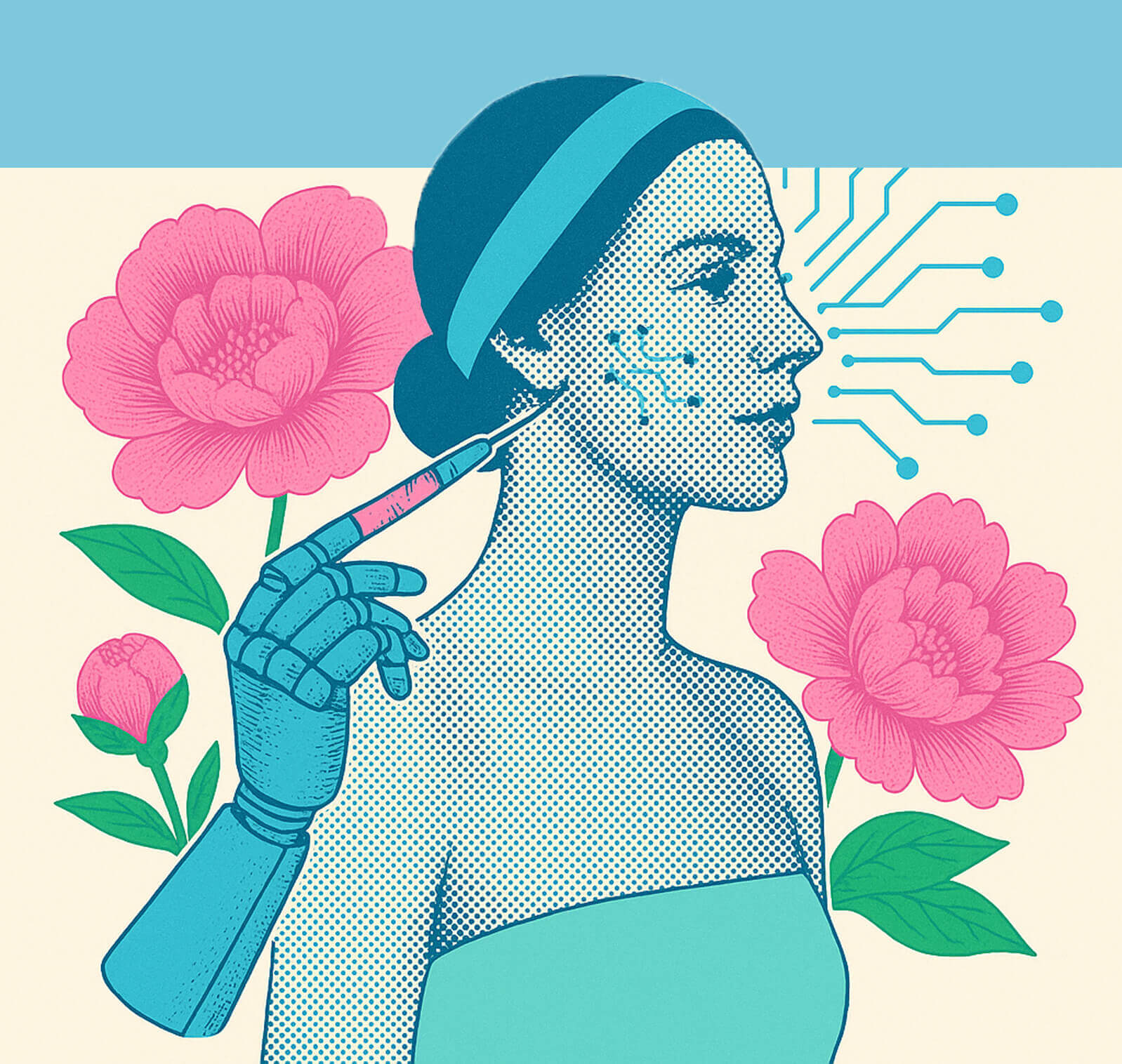
Aesthetic medicine aims to be the ideal balance between science and art, and now AI and machine learning are a key aspect of that mission. AI has been shown to improve diagnostic accuracy with virtual simulations of treatment outcomes, and by making data-driven, hyper‐personalized treatment plans a reality. The triple threat of improving precision, efficiency, and patient satisfaction is set to make AI the ultimate change agent in modern aesthetic medicine.
According to a study published in the Journal of Cosmetic Surgery earlier this year, the massive impact AI has had on conventional medicine is now driving inroads in dermatology, plastic surgery, and cosmetic treatment. Clinicians use computer-vision algorithms to examine facial symmetry and skin conditions with pixel‐perfect precision, allowing them to create treatments customized to individual anatomies.
“Machine learning models examine patient histories, genetic information, and lifestyle variables to forecast best results for procedures such as filler injections or laser treatments, providing hyperpersonalized care,” the authors noted. “And as automation streamlines workflows—from AI chatbots booking appointments to robotic equipment assisting in minimum invasions—the practitioner is then free to fret about innovative and complex tasks.”

There’s enormous potential for groundbreaking new approaches, but there are plenty of complexities to be considered as well. Because aesthetic medicine treads the meridian of science and beauty ideals, practitioners need to balance their technical judgement and prowess with patients’ personal values about their appearance. AI is a great match with aesthetic medicine because it uses objectivity, customization, and results while respecting patients’ subjective expectations, beliefs, and needs.
“Algorithms now power virtual simulations of post procedure outcomes, recommend personalized skincare routines, and assist robotic instruments in performing precise interventions,” researchers said. AI‐powered computer vision and deep learning can detect facial ‘landmarks,’ analyze its symmetry, and predict aging. Pretreatment planning is now more relevant to the patient thanks to augmented reality and 3D modeling. The opportunity to see realistic results makes it easier for patients to make decisions and makes for a more satisfactory consultation all around.
Machine learning algorithms use genetic data, skin types, and medical histories to create hyper‐personalized recommendations. New tools match treatments to individual biological profiles, increasing safety and efficacy.
AI‐powered robotic systems have improved accuracy and reproducibility in laser and hair transplantation. AI‐driven real‐time feedback produces the best possible outcomes, makes procedures safer, and minimizes the potential for mistakes.
Predictive analytics allow clinicians to investigate outcomes and complication risks, as well as facilitate informed consent and active clinical decision‐making. Predictive modeling gives patients a chance to see a realistic view of what they’ll look like in the future and helps to map out future age-defying enhancements.
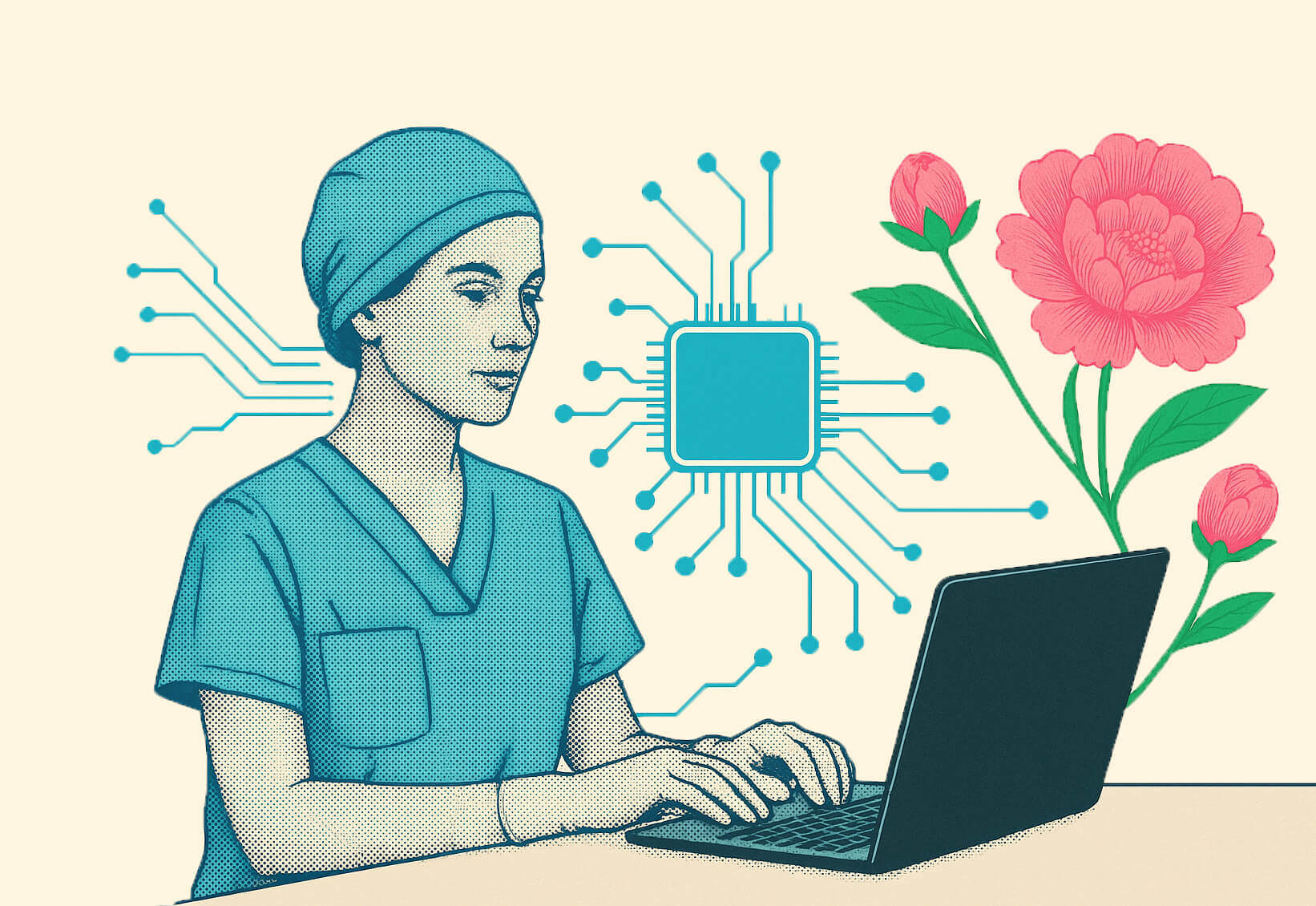
The back office benefits of AI are compelling too. AI‐powered virtual assistants, chatbots, and learning platforms have improved administrative workflows and patient engagement, and streamlines the clinical workload by monitoring recovery and customizing aftercare.
AI and aesthetic medicine have come together at unprecedented speed, dashing over explorations of ethical, technical, and societal implications. Its technological promise faces a host of challenges, including algorithmic bias, data privacy risks, and overreliance on automation that can endanger patient safety and equity.
The success of AI implementation requires balancing technological advancements with ethical considerations and regulatory frameworks. To get there, researchers pointed out a number of practical and ethical problems that need to be solved, including security and privacy issues in the handling of biometric data; biased computation algorithms for the analysis of non‐Western faces or darker‐skinned patients; regulatory uncertainty, and issues concerning trustworthiness and transparency.
“Issues such as biased training data, patient privacy, and over-automation need careful scrutiny,” they stressed. “As the field evolves, stakeholders must harmonize AI’s transformative potential with safeguards to ensure equitable, transparent, and human‐centered care in this deeply personal domain.”
The future of AI and aesthetics has just begun, and the future is overflowing with possibilities. AI-powered AR/VR and wearables could deliver immersive consultation and real‐time monitoring. It can benefit all areas of precision medicine with genomic and biomarker‐based AI models. As the discipline continues to refine itself, ethical AI development is hoped to be fairer, more inclusive, and easier to interpret.
Currently, the aesthetic medicine field doesn’t have standardized guidelines to govern AI adoption, which can result in the discrimination of care quality and weakening of public trust in technology‐driven medicine. It will take international cooperation between tech companies, clinicians, and regulators to synchronize standards, and create an environment where aesthetic medicine can reach its potential and beyond, and patients can do more than hope for the beautiful results they wish for – they can count on them.
More Articles Like This


From fake to favorite: food’s big flex
Consumer demand for plant-based foods is intensifying, fed by an emerging class of enthusiasts – the flexitarians

How AI Is Accelerating Growth in Every Industry
Recent global survey data shows AI is used in at least one business function at most companies, and adoption has risen year over year.

Data Labeling: The Next Wave of AI
Human-in-the-loop precision and scalable infrastructure are driving smarter, safer systems.

Vibe Coding: How AI Collaboration Is Redefining Enterprise Software Development
Vibe coding shifts software development from manual programming to intelligent co-creation, making app building faster, more accessible, and central to digital...

AI’s Next Battleground: The Race to Redefine Video Creation
Meta, Google, and OpenAI are turning generative video into the new frontier for attention, creativity, and control, blurring the line between viewer, creator, and machine.

