

Smarts In Store
With thousands of SKUs and the unpredictability of the world at large, inventory optimization can seem daunting.
Written By: Damien Martin
Reading Time: 5 minutes
The tech that helps brick-and-mortar keep building
Brick-and-mortar isn’t dead. It’s diversifying. While e-commerce has been steadily growing and will soon make up a quarter of retail sales in the U.S. and thousands of retail stores close each year – enough that the term “retail apocalypse” has its own Wikipedia page – retailers are getting creative in once again making physical stores a driving force in sales growth. To do so, they’re leveraging many of the tech capabilities that made e-commerce such a threat to brick-and-mortar in the first place.
More Than the Whole

The transformation of retail spaces in some cases is a blend of in-person and online. Nearly a decade after its purchase of Whole Foods, Amazon is testing an “automated micro-fulfillment center” at its Plymouth Meeting, Pa., Whole Foods location.
Covering 10,000 square feet of space in the back of a store with a pickup window in-store, the setup allows Whole Foods shoppers to order from 12,000 Amazon and Whole Foods items not found on the store’s shelves. This includes products like Pepsi and Goldfish that don’t jibe with Whole Foods organic aesthetic. The idea is that Whole Foods can be a one-stop shop for any kind of item at the “store within a store.” Shoppers can scan QR codes on touchscreens throughout the store and receive a text when their pickup order is ready, which usually is within 10 minutes.
“This new concept store experience allows customers to get everything on their shopping list in one convenient stop or one online order, combining quality with convenience while still delivering the exceptional shopping experience customers expect,” Jason Buechel, vice president of Amazon’s worldwide grocery stores and CEO of Whole Foods, said in a statement.


Amazon plans to tweak the concept based on feedback from the pilot location before expanding it to more Whole Foods locations across the country.
The Full Experience
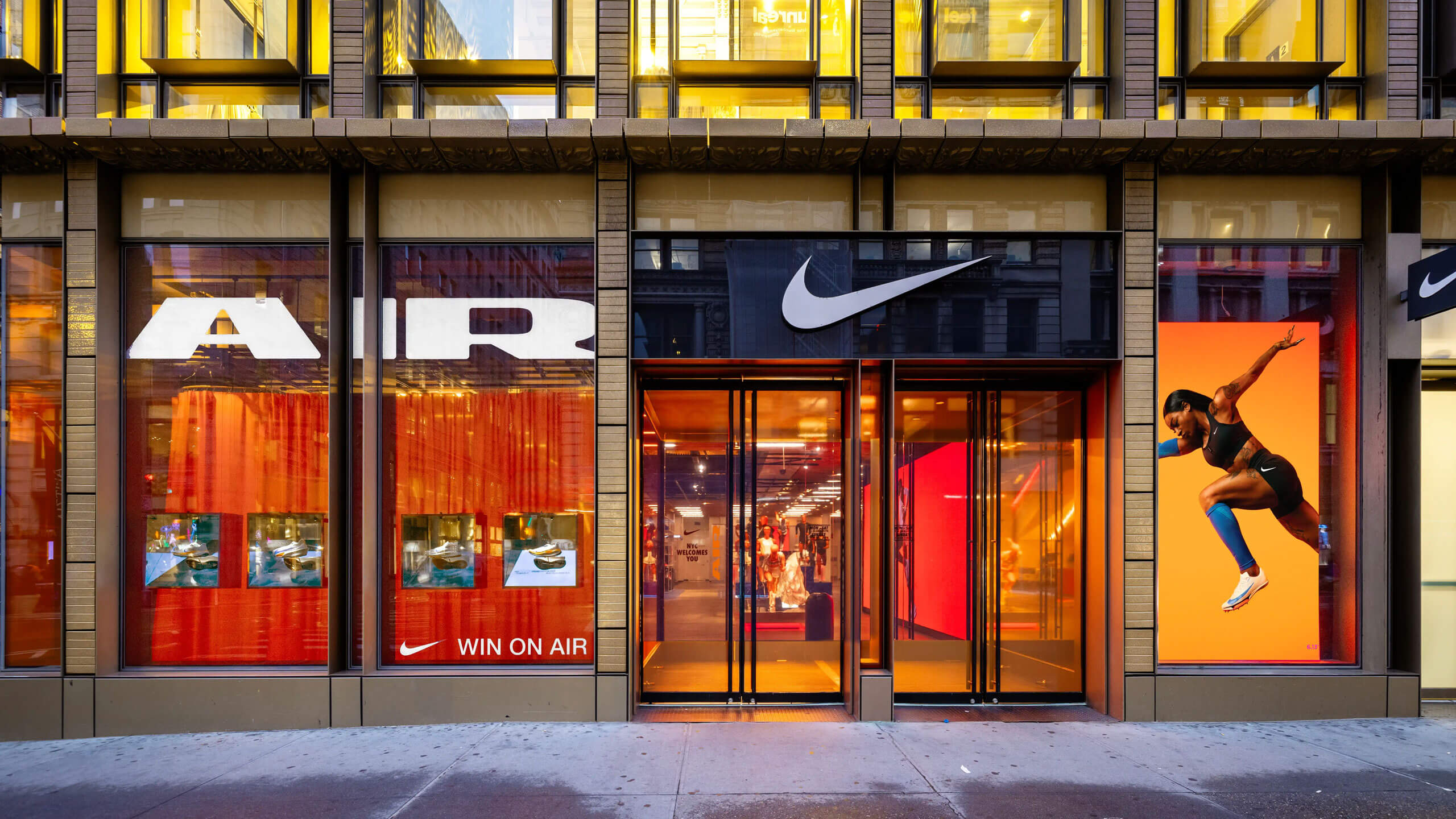
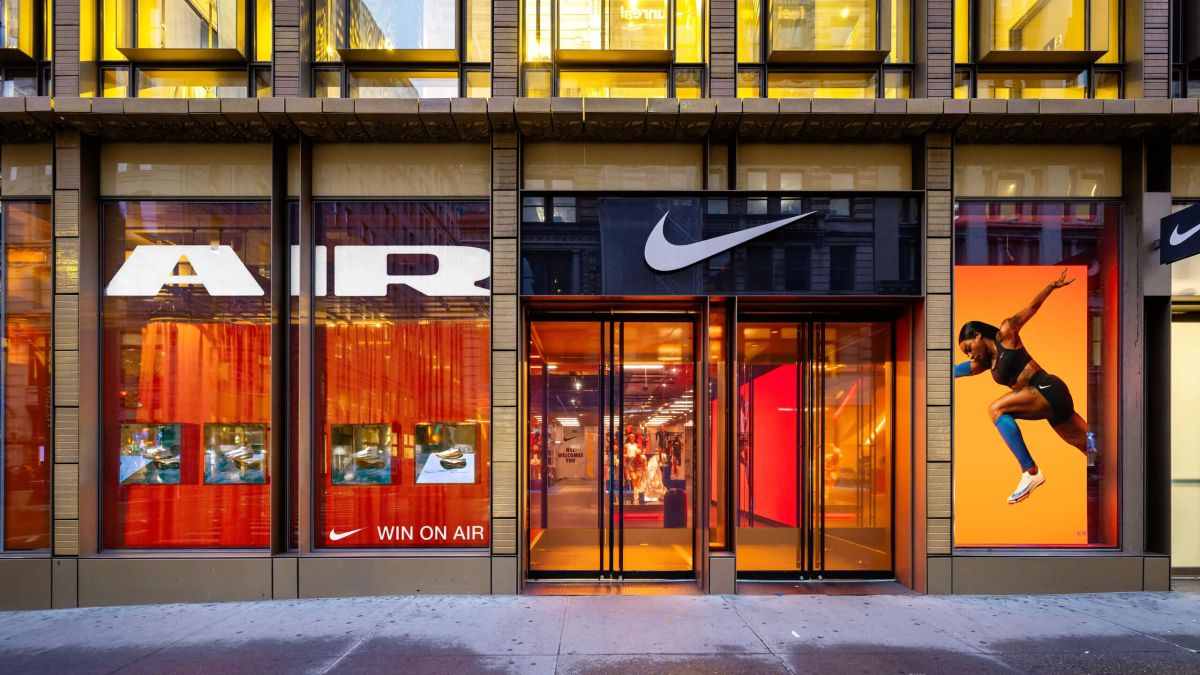
The experiential approach aims to make retail locations gathering places that offer uniqueness impossible online. Nike’s 55,000-sq.-ft. SoHo New York store sports a basketball half-court with digital video screens, a soccer trial area, and a treadmill in front of a jumbotron featuring virtual landscapes. Sensors capture users’ performance and make personalized shoe and workout recommendations based on the data. Visitors can even download footage of their experience through the Nike app and share it on social media.
A shoe bar allows customers to complete customize a pair of Air Force 1s for themselves that they can then test out in-store with coaches on hand to provide guidance.
“Powered by immersive digital trials and in-store experts, this store is about elevating every athlete’s potential,” Nike president for consumer, product, and brand Heidi O’Neill said. “Whether you’re training for a marathon, shooting hoops or doing drills on our in-store court, or if you love sneakers, Nike Soho will help you raise your game. Because it’s more than a store — it’s a personal sport experience.”
Apple is emphasizing experience as well, starting with no longer calling locations “stores.”
“We are reinventing the role our stores and employees play in the community,” Angela Ahrendts, Apple’s senior vice president of retail, told Fortune. “We want to be more like a town square, where the best of Apple comes together and everyone is welcome.”
Apple Union Square in San Francisco has a 50-foot video wall showcasing the attributes of its latest gadgets. “Hour of Code” workshops teach kids Apple’s programming language, Swift, and make the location a place to learn, not just buy. As do “Teacher Tuesdays” gatherings, which educate teachers on incorporating technology in the classroom. New teams of Creative Pros show customers how to get the most out of features on their phones and tablets and recommend apps to enhance it all.
“Companies have a huge obligation right now, and the bigger the company, the bigger the obligation. We are thinking about what the community needs,” Ahrendts said.
More In Store
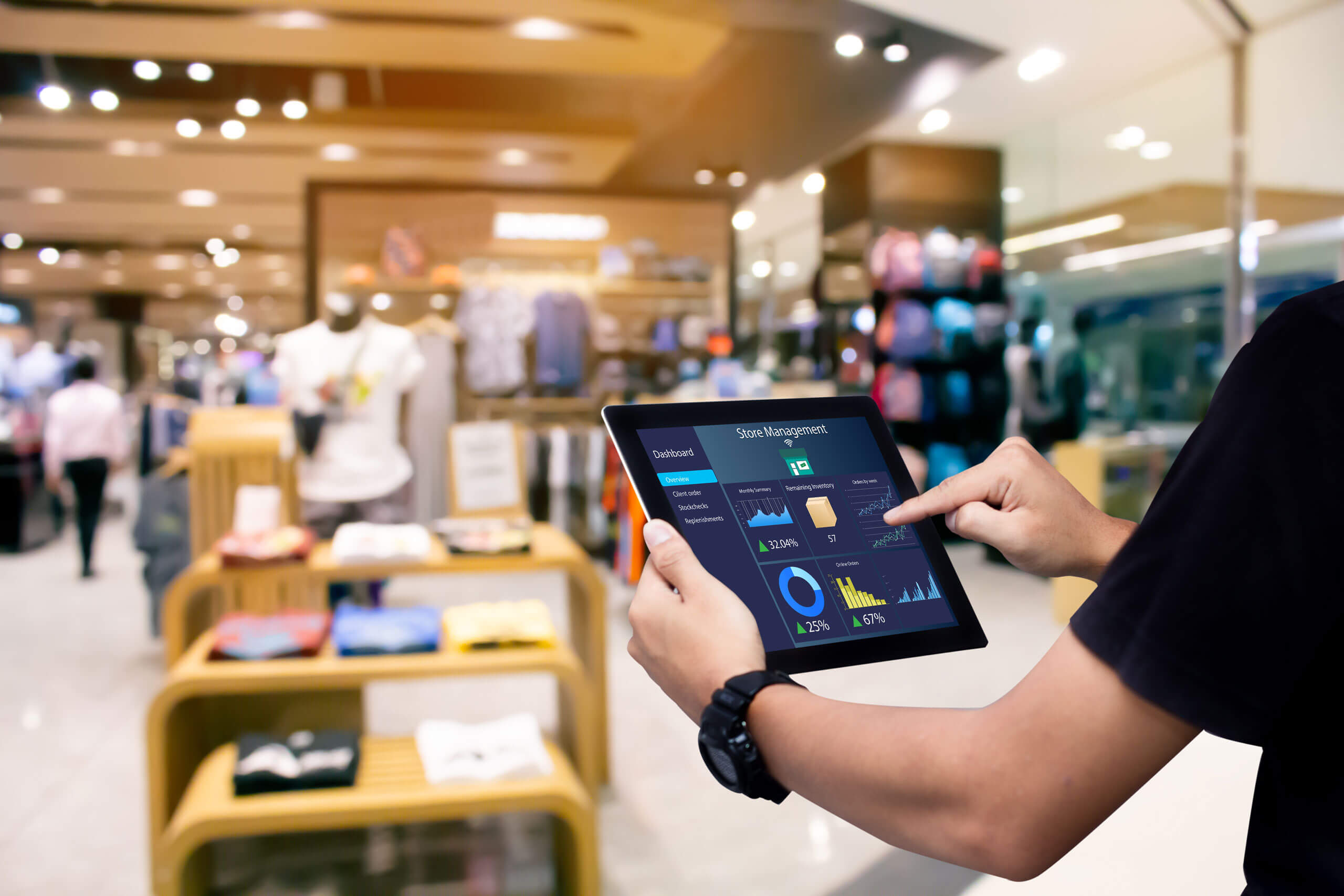
When it comes to watching the bottom line, retailers are relying on AI and computer vision to analyze everything from store layout to shopper behavior. StrataVision, for example, has helped big box stores optimize their labor strategies based on the unique attributes and shopper draw of individual locations; analyzed shopper paths to recommend better footwear placement in sporting goods stores; and drastically cut shrinkage at self-checkout registers with its AI-powered computer vision platform.
“StrataVision’s newest solutions are designed to address two of the retail industry’s most pressing challenges: maximizing the value of in-store brand partnerships while optimizing staff productivity in real-time,” CEO Bjoern Petersen said. “By delivering actionable insights in real-time, we’re enabling retailers to stay agile and competitive in a rapidly evolving market.”
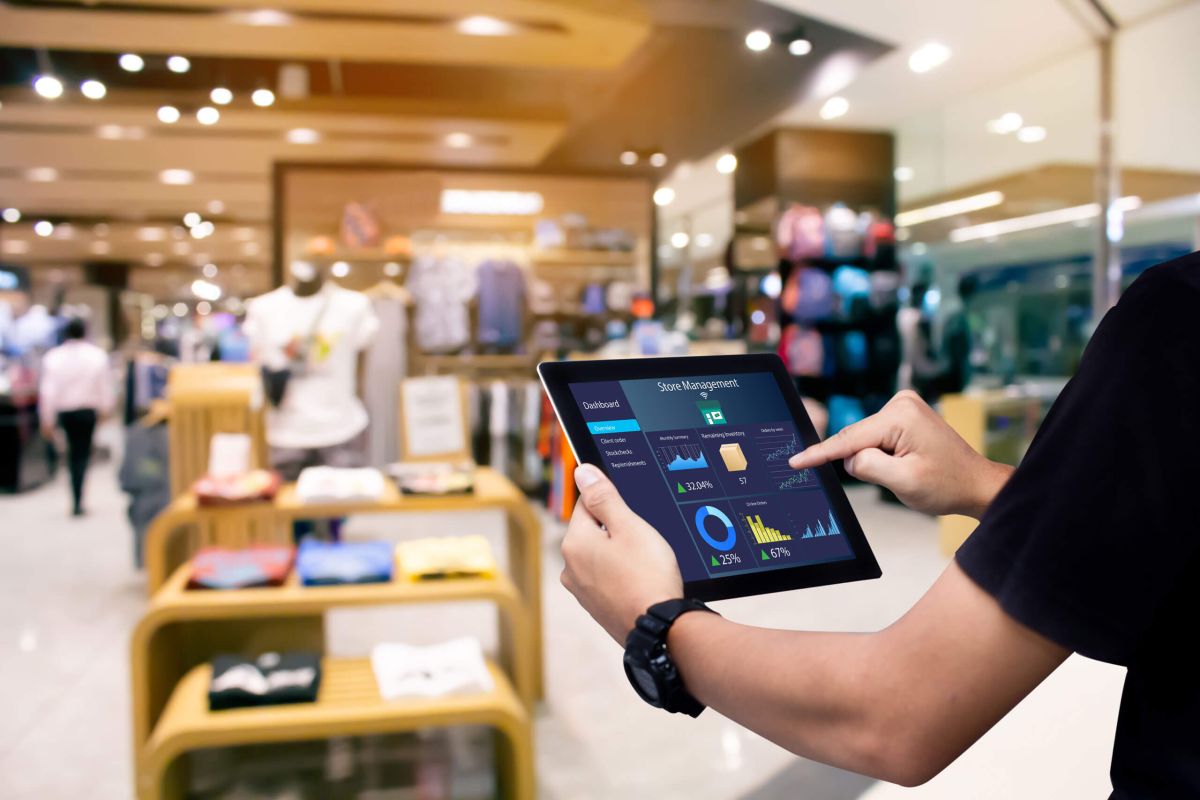
Data analytics such as predictive replenishment help retailers keep the right amount of inventory in stock at the right time, with enough on hand to satisfy demand but not so much that they’re paying a premium to hold onto unnecessary surplus.
With thousands of SKUs and the unpredictability of the world at large, inventory optimization can seem daunting. But AI-driven predictive replenishment platforms like SAP’s account for inventory levels at all locations and all local factors that could affect demand – weather, festivals, etc. – providing hyperlocal, granular data that enables rapid response and restocking.
It’s like having Prime for brick-and-mortar.
More Articles Like This


Technical Difficulties
SMB leaders spend 13 hours per week on tech troubleshooting, researching new software, and onboarding staff to new systems

AI in Finance: Models Now Outperform in CFA Level III Tests
OpenAI, Google, and Anthropic models pass the world’s toughest finance exam in minutes.

Leadership in Transition: T-Mobile, Oracle, and Nokia Announce New Directions
Major telecom and tech firms are turning to new leaders to drive growth, digital transformation, and AI strategies.

Proptech & Consolidation: Reshaping Real Estate’s Future
Proptech and mergers are reshaping real estate. The Compass-Anywhere deal shows how firms use tech and scale to compete in a tighter market.

