


Greenhouse Systems Transforming Agricultural Industry Standards
Advancements in greenhouse systems are no longer just about keeping crops warm–they now involve sophisticated climate control, automated irrigation, smart sensors, and energy-efficient materials.
Written By: BOSS Editorial
Reading Time: 4 minutes
The agricultural sector is undergoing a profound transformation as growers seek more sustainable, efficient, and profitable ways to meet increasing food demands. Greenhouse systems are at the forefront of this evolution, providing a controlled environment that allows for year-round cultivation, better crop yields, and reduced reliance on unpredictable weather patterns. By integrating modern greenhouse technologies, farmers can optimize growing conditions while using fewer resources.
Advancements in greenhouse systems are no longer just about keeping crops warm—they now involve sophisticated climate control, automated irrigation, smart sensors, and energy-efficient materials. These improvements give growers the ability to fine-tune temperature, humidity, lighting, and CO2 levels to suit specific crops. Such precision means fewer pests, less disease pressure, and significantly higher productivity per square foot of land.
Greenhouses have proven especially beneficial in regions where climate extremes or seasonal shifts challenge traditional agriculture. From leafy greens in the desert to strawberries in snowy zones, adaptable greenhouse structures are enabling fresh food production in places previously deemed impractical. This flexibility supports food security and reduces reliance on long-distance transportation.
Tailored Designs for Diverse Needs
Customization is a major factor in the growing popularity of greenhouse systems. Instead of a one-size-fits-all solution, modern growers can choose modular designs, roof styles, and glazing materials that match their regional climate and production goals. Growers in hot, sunny environments may prefer diffused glazing to minimize plant stress, while northern farmers often select insulated polycarbonate panels to retain heat efficiently.
Additionally, growers can now access turnkey systems designed to support specific crops and growing environments. Many operations find consistency and reliability with rimol.com/ greenhouse systems, which offer scalable, climate-adaptable options that meet the demands of modern cultivation. These setups reduce trial and error and help growers stay focused on production.
Automation Improves Precision and Reduces Labor
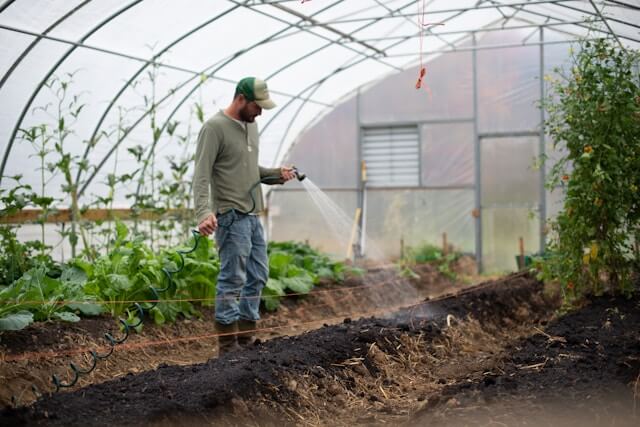
Automated greenhouse systems take efficiency a step further. Computer-controlled vents, irrigation timers, misting cycles, and blackout curtains allow growers to maintain optimal conditions without being on-site 24/7. These tools not only reduce labor costs but also minimize human error, leading to more consistent crop performance.
For example, sensor-based irrigation systems ensure crops receive just the right amount of water based on soil moisture levels, not guesswork. Climate control systems adjust heating and cooling depending on sunlight, external temperature, and wind conditions. This level of automation is especially beneficial for commercial growers managing large-scale operations who need precision and reliability at every stage.
Sustainability Through Smarter Systems
Sustainability has become a central focus in modern agriculture, and greenhouse systems are playing a key role in this shift. Traditional farming methods often result in soil degradation, pesticide overuse, and water waste. Greenhouses allow for closed-loop growing systems where inputs are tightly controlled, waste is minimized, and outputs are predictable.
Hydroponic, aquaponic, and vertical farming techniques are all compatible with greenhouse environments. These methods reduce or eliminate the need for soil, use up to 90% less water than conventional fields, and can produce multiple harvests per year. Renewable energy sources such as solar panels and geothermal systems are also being integrated into greenhouses to lower energy use and operating costs.
Urban Farming and Localized Production
Urban and peri-urban farming has also seen a rise thanks to compact, efficient greenhouse models. These systems allow city-based growers to produce food closer to where it’s consumed, reducing emissions tied to transportation and packaging. From rooftops in New York to backyards in Amsterdam, greenhouses are making local food production more viable than ever.
Urban greenhouse farming also contributes to community resilience. By decentralizing food supply chains and producing high-quality crops near homes, cities can buffer against shortages and price volatility during disruptions.
Education and Wider Access Drive Adoption
Education and accessibility are further driving the adoption of greenhouse technology. Agricultural colleges and research institutions are investing in high-tech greenhouses to teach students about precision growing and climate-resilient systems. At the same time, grants, loans, and government incentives are making it easier for small and mid-size farms to transition from open-field methods to protected cultivation.
This democratization of technology means that growers at every scale—from backyard hobbyists to commercial producers—can benefit from greenhouse systems. As barriers to entry fall and awareness grows, more people are realizing that controlled environment agriculture is not only a solution for the future but a necessity for today.
Looking Ahead: A Smarter Agricultural Future
The future of agriculture hinges on smart, adaptive systems that produce more with less. Greenhouses provide the structure and technology to achieve this goal, offering growers the control, flexibility, and efficiency they need in an increasingly volatile world. With the global population expected to surpass 9 billion by 2050, greenhouse farming will be central to feeding communities while preserving the planet’s resources.

Greenhouse systems are not just modern upgrades—they are foundational to the future of farming. As more growers adopt these adaptable, sustainable technologies, the agricultural industry moves closer to achieving reliable yields, better resource efficiency, and greater resilience across climates and regions.
More Articles Like This

The Art of French Charcuterie: A Culinary Renaissance in America
Enter French charcuterie: a timeless culinary tradition that's quickly making waves in American kitchens, charcuterie boards, and upscale grocery aisles.

The Best Restaurants Near King’s Cross for Business Travelers
Finding the right spot near King's Cross makes business travel to Britain's capital's central area easier and more enjoyable.

Top Food Suppliers for Chefs in the USA
Any restaurant, coffee shop, catering company, or other food-based business needs one very specific thing to ensure that they stay on top of their game. What is this one thing? An excellent food...

The ROI of Going Green: Why Beverage Companies Are Betting Big on Sustainability
Some drinks companies consider sustainable practices a necessary long-term investment, while others may view participation in the sustainability movement as a...

Planning an Event? Add Gourmet Food Trucks for a Flavorful Twist
As more people seek unique and engaging interactions during events, gourmet food trucks are likely to remain a popular choice.
How 6 Culinary Trends Are Reshaping Food Manufacturing in 2025
Whenever you think ‘food manufacturing’, you’re likely imagining mass production. And while that may be the truth in some cases, today’s competitive world is pushing more...


