


Strategic Partners


Thinking Into Action
Texas A&M University-Kingsville (TAMUK), is currently undergoing a sweeping digital transformation.
How a commitment to education for all is driving Texas A&M University-Kingsville to embrace digitization

As advanced technology fundamentally redefines the higher educational landscape, educators and students can now access resources and conduct research anywhere in the world. The considerable impact of technological modernization across the spectrum of the learning experience illustrates the road ahead for thousands of IT professionals who dedicate their lives to lifting barriers to knowledge.
In their efforts to become a smart campus, the oldest continuously operating public institution of higher learning in South Texas, Texas A&M University-Kingsville (TAMUK), is currently undergoing a sweeping digital transformation. The endeavor aims to improve accessibility, spark innovation, and increase operational efficiency across the university. Inefficient maintenance systems and software will be replaced, enhancing operational efficiency and mitigating the security risks associated with older technologies.
This proactive approach will enable TAMUK’s systems to remain current and integrate with the latest technological advancements. An impressive range of new digital tools support interactive learning, data-driven decision-making, and collaboration across disciplines.
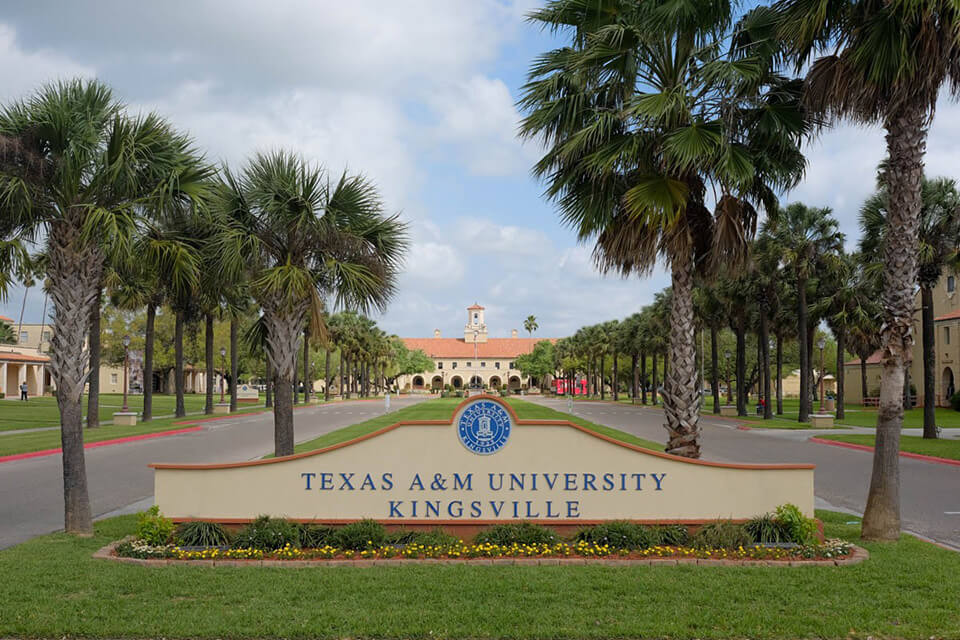
After a successful pilot program this past spring, TAMUK’s Center for Academic Technology is planning a soft launch of the Blackboard Learn Ultra learning management system this summer and fall. The system will be ready for instructors to use in early 2025. The extended ramp-up time will make it easier for users to acclimate themselves to Ultra’s new features and upgraded platform, designed to make the learning environment more collaborative, engaging, and efficient.
By streamlining administrative processes and improving the management of campus operations, from registration systems to campus security, digital technology is increasing efficiency and effectiveness for administrators, faculty, and students, regardless of location.
The increased reliance on digital technologies has also heightened the importance of cybersecurity, making it crucial for institutions to protect sensitive data and ensure the privacy of their communities. It is a complex balancing act to embrace new technologies and integrate them in a way that promotes inclusivity and accessibility while ensuring that they can be used effectively on and off campus.

To meet these needs, TAMUK is expanding its digital learning platforms, increasing remote access to research resources, and developing online portals that provide easy access to administrative services.
Investing in high-performance computing to support data-intensive research projects and providing faculty with advanced tools for creating interactive and engaging learning experiences are at the core of the work.
TAMUK’s future-forward moves rest on robust infrastructure and a strong operational backbone to support a large-scale shift towards a more integrated and technologically advanced university environment. Shadow IT, a common issue faced by many organizations, is created when individual departments, agencies, or functions find and apply their own tech solutions to meet their specific needs and take IT out of the picture.
Centralizing IT and improving governance structures allowed TAMUK to regain control over their IT resources, enhance security, and deploy a cohesive technology strategy across the university. In addition, moving their IT helpdesk in-house improved the support available to users and will make the experience as painless as possible for them.
One significant challenge that is faced in every workplace undergoing a tech modernization effort is integrating legacy systems with newer technologies. Even robust legacy systems weren’t designed to communicate with each other or to integrate with modern platforms, so system interoperability and streamlined data management are critical aspects of the project.
TAMUK’s new core networking infrastructure will bring high-speed, reliable connectivity across the campus and will improve data handling capabilities, scalability, and enhance disaster recovery and data security. New integration platforms and solutions for data exchange and workflow automation across different systems will also result in a much-improved user experience.

Technology investments were carefully selected to align with the university’s broader academic and operational objectives. The work is being undertaken with a careful eye on environmental sustainability, integrating energy-efficient systems and practices are to reduce IT operations’ carbon footprint.
Regardless of industry, tech adoption requires complete buy-in on the executive level. Once achieved, the next step is to make sure users across the continuum are comfortable with change and willing to invest their time and energy into making critical projects succeed. The expertise and commitment of the university’s skilled and dedicated employees are central to the initiative’s success.
By prioritizing strategic technological upgrades, continuous improvement, and maintaining a culture of innovation and inclusion, TAMUK is lifting the barriers to progress, empowering teachers and students to meet the challenges of ongoing, non-stop technological and social change. When higher education applies technology to advance their mission to serve students, faculty, and staff, there’s no limit to the horizons they can reach.


