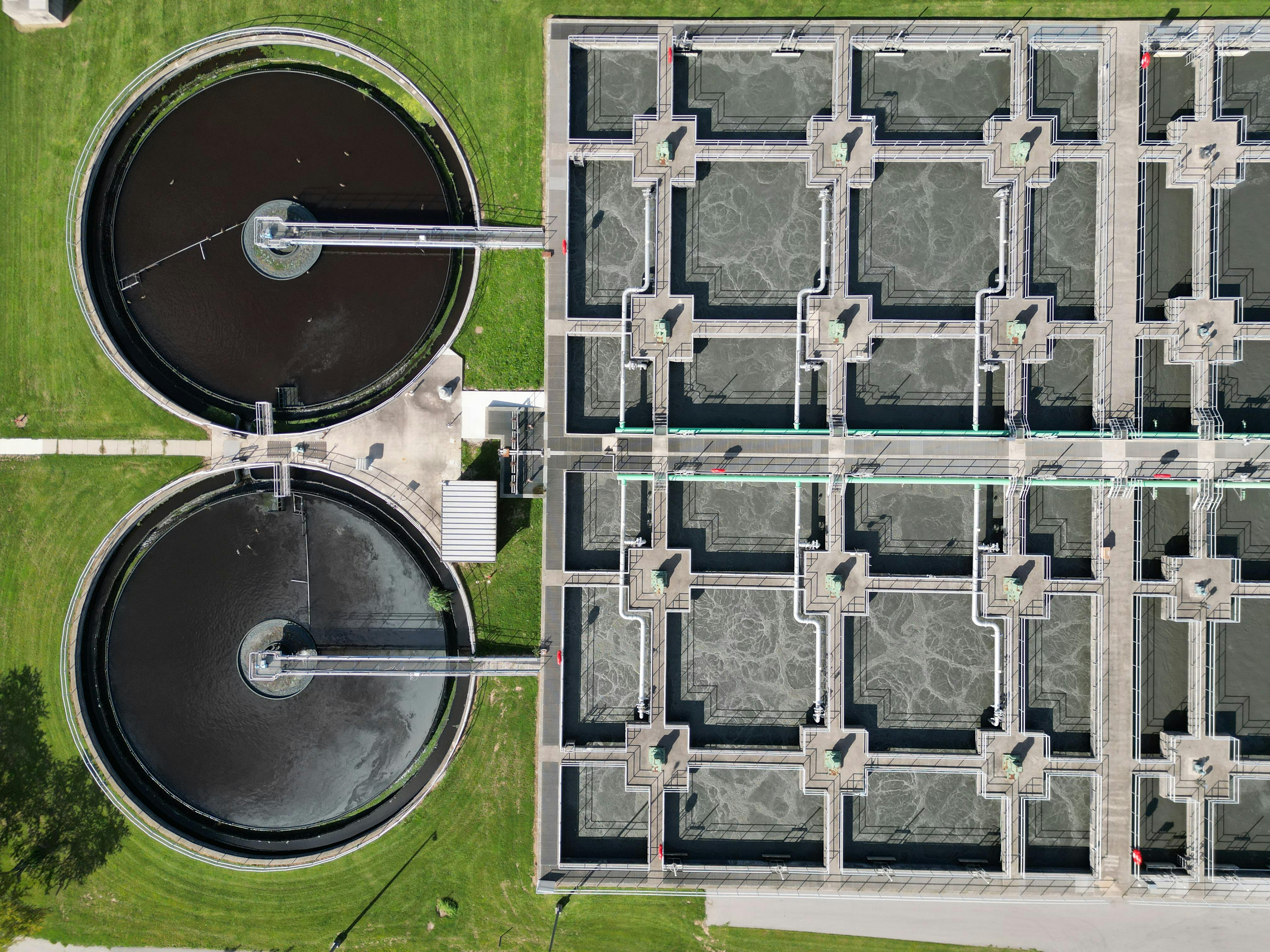
Why Wastewater Is Being Reframed as a Resource, Not a Liability

Written By: BOSS Editorial
Reading Time: 5 minutes
For years, wastewater had a simple job. It left homes, plants, hospitals, and factories, reached treatment, and disappeared. Success meant no odors, no backups, and no headlines.
That mission still matters. Wastewater treatment protects public health and waterways. But cities and industrial operators are asking a wider question now: can part of this stream be used again?
Often, yes. Treated wastewater can support reuse. Organic material can help produce energy. Nutrients can be captured instead of being treated only as a discharge problem. Storage also gives operators more control during peak flow, maintenance, or reuse demand.
This is why wastewater is being reframed as a resource, not just a liability. Modern systems need room to separate, store, and manage water streams safely. Infrastructure solutions such as Tarsco bolted tanks can support storage needs for municipalities and industrial facilities planning around capacity, reuse, and long-term resilience.
Wastewater Is No Longer Just Waste
The old model was simple: collect the water, treat it, discharge it, and keep the system compliant. It helped solve major sanitation problems, but it was not built for today’s water pressure.
Communities are growing. Dry seasons are harder to predict. Industrial sites need dependable water for cooling, cleaning, and processing. Many utilities also have old pipes and treatment plants designed for a smaller population.
Reuse does not mean every gallon can go anywhere. It means water quality can be matched to the task. A park may not need potable water for irrigation. A cooling system may not need the same quality as a kitchen tap. A factory may reuse treated water for part of its process.
That changes the role of wastewater. It is no longer only the end of the line. In the right system, it becomes part of the supply plan.
What Can Be Recovered From Wastewater?
Wastewater is not identical from site to site. Municipal wastewater, food processing wastewater, refinery wastewater, and manufacturing water all differ. Still, many systems can recover value after proper treatment.
Recovery opportunities include:
- treated water for landscape irrigation
- non-potable water for industrial cooling
- process water for approved facility uses
- water for cleaning, dust control, or site maintenance
- biogas from organic material
- nutrients such as nitrogen and phosphorus
Water reuse is the clearest benefit. Once treated correctly, reclaimed water can serve uses that do not require potable quality. That matters where landscapes, crops, cooling towers, and industry compete with households for freshwater.
Energy recovery can also be useful. Wastewater with enough organic material can support anaerobic digestion, producing biogas that may offset part of a plant’s energy demand.
Nutrient recovery is more technical, but it belongs in the same conversation. Nitrogen and phosphorus can damage waterways when discharged in excess. Capturing or managing them creates a better path than treating them only as a problem.
None of this works by accident. Reuse depends on treatment quality, storage, monitoring, regulations, and the final use. A stream that works for irrigation may not be suitable for process water. A reuse plan that works in one facility may need a different design somewhere else.
Why Water Scarcity Is Changing the Conversation
Freshwater planning felt more predictable. If a city grew, it looked for more supply. If an industrial district expanded, utilities planned around more wells, reservoirs, or treatment capacity.
That approach is harder now because several pressures often overlap:
- drought and seasonal restrictions
- population growth
- rising industrial demand
- aging water and wastewater infrastructure
- higher treatment and pumping costs
- competition between homes, farms, and industry
A hot summer can expose weak points quickly. Residential demand rises. Farms need more irrigation. Industrial users may need steady cooling or process water. If a utility already has old pipes, limited storage, or a treatment plant near capacity, the margin gets thin.
Wastewater reuse gives cities and facilities another tool. It can reduce potable demand for non-potable uses and keep more water circulating locally. It can also make growth easier to plan without placing every new user in direct competition with residents.
This is not only an environmental argument. It is a practical response to supply risk, operating cost, and infrastructure pressure.
The Infrastructure Needed to Make Reuse Work
A reuse program needs more than a good idea. It needs treatment equipment, storage, controls, and clear operating rules. Reused water must meet the standard for its intended purpose. Irrigation water, cooling water, and process water may each require different treatment levels.
Storage is just as important. Treatment plants may produce reclaimed water steadily, while demand rises during production cycles, irrigation seasons, or heat waves. Without storage, usable water can be available at the wrong time.
The planning details matter more than they may look on paper:
- Separation: raw wastewater, treated water, reclaimed water, potable water, and process water cannot blur together.
- Clear controls: piping, labeling, valves, and backflow prevention help operators avoid mistakes.
- Monitoring: teams need to know what is in the water, where it is going, and whether it still fits the intended use.
- Odor control: storage and treatment areas near neighborhoods or workspaces need practical nuisance planning.
- Backup capacity: maintenance, peak demand, or off-spec water events need room in the system.
- Regulatory coordination: reuse works better when operators, regulators, and end users agree on standards early.
Good design makes each stream clear in the layout, controls, and maintenance routine. The strongest reuse systems are planned early, not patched together after demand arrives.
A Smarter Future for Wastewater Management
Wastewater will never be risk-free. It needs treatment, oversight, and responsible operation. But treating it only as a disposal burden is becoming too narrow for the challenges ahead.
Reuse can help cities protect freshwater supplies. It can help industrial facilities reduce dependence on potable water for tasks that do not require it. It can also support energy recovery, nutrient management, drought planning, and better cost control.
The shift is not about turning every plant into a perfect recovery system overnight. It is about asking better questions:
- Can this water be treated for another use?
- Is there enough storage to make reuse practical?
- Are raw, treated, and reused streams safely separated?
- Can monitoring keep the system reliable?
Communities that answer those questions early will have more options later. Wastewater is not just something to remove from a site. Managed well, it becomes part of the resource plan.