


Is VPN Safe or Risky? How to Pick the Right One for You
Millions of people use VPNs to protect their online privacy — but not all VPNs are actually safe. Some can leak your data, track your activity, or even sell your information.

Written By: BOSS Editorial
Reading Time: 6 minutes
Millions of people use VPNs to protect their online privacy — but not all VPNs are actually safe. Some can leak your data, track your activity, or even sell your information.
In this article, you’ll learn how to tell if a VPN is truly secure and how to choose one that won’t put your privacy at risk.
What You Really Need to Know About VPNs (Without the Tech Talk)
You don’t need a computer science degree to understand what a VPN does.
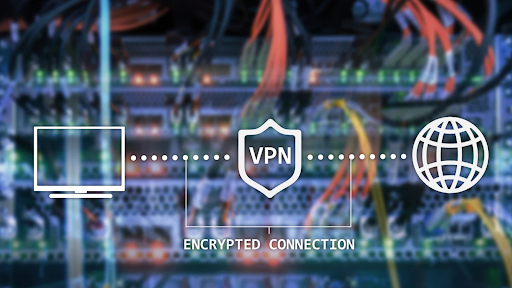
Think of it as a private tunnel between your device and the internet. Instead of your data traveling in plain view — where anyone on the same network could snoop — it goes through an encrypted channel. This makes it harder for hackers, internet providers, or even government agencies to track what you do online.
You might already be using a VPN to watch shows not available in your country, work securely while traveling, or simply to stop websites from following you around. But here’s the catch: using any VPN isn’t automatically safe. In fact, choosing the wrong one can leave you worse off than having no VPN at all.
So the real question isn’t just “Is VPN safe?”
It’s: “Are YOU using a VPN that deserves your trust?”
How to Know If a VPN Is Actually Safe — Not Just Saying It Is
Some VPNs talk a big game. They throw around words like “military-grade encryption” and “no logs,” but how can you tell if they actually live up to the promise?
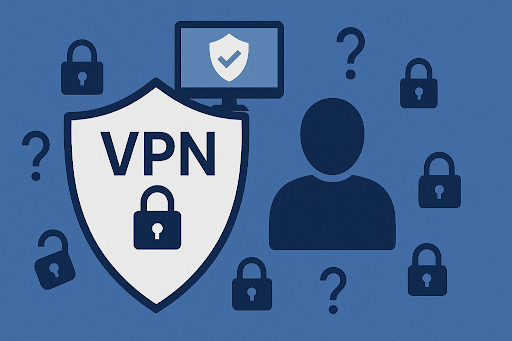
Look for What They Do — Not Just What They Claim
You don’t need to memorize security protocols or know what AES-256 means. But you do need to look beyond the marketing fluff.
Who’s Behind the VPN?
If a VPN hides its ownership or company details, that’s not a good sign. You’re trusting this service with your entire internet connection. You deserve to know who they are.
Have They Been Audited?
The best VPNs allow independent third-party audits to verify their security and privacy claims. If you can’t find this kind of transparency, it’s worth asking why.
What Does the Privacy Policy Really Say?
“No logs” doesn’t always mean what you think it means. Some VPNs record metadata, timestamps, or even your IP address. If the policy isn’t crystal clear — or if it hides behind legal language — it may not be safe.
If you want to dive deeper into how different VPNs handle security, logging, and transparency, you’ll find a growing collection of in-depth VPN investigations here. It’s a great resource to compare real-world practices instead of just reading brand promises.
How to Choose a VPN That Works for You — Without Getting Scammed
You don’t need the most expensive VPN. You need the one that fits your life.
Start by Asking: What Are You Using It For?
If you’re mostly trying to:
- Stay safe on public Wi-Fi
- Keep your browsing private from ISPs
- Stream shows from other countries
- Avoid annoying ads and trackers
… then you need a VPN that prioritizes privacy but doesn’t slow you down or spy on you in return.
Match the VPN to Your Needs — Not the Hype
Some VPNs are great for speed, others for streaming, and some focus on airtight privacy. There’s no one-size-fits-all, but there is a right fit for you. Choose a VPN that clearly explains:
- What data it collects (if any)
- What jurisdictions it operates under
- How it handles speed, servers, and devices
You should feel like you understand what you’re signing up for — without needing to Google every term.
So… Is VPN Safe or Not? Here’s the Honest Answer
It depends. VPNs can be very safe — or incredibly risky.
A trustworthy VPN adds a strong layer of privacy, especially on public networks or when you want to stop your ISP from tracking everything you do. But not all VPNs are created equal.
Here’s the honest truth:
If the VPN is free, vague about its policies, or lacks any reputation — it might be tracking you more than your internet provider ever did.
What VPNs Can (and Can’t) Protect You From
VPNs can:
- Encrypt your internet traffic
- Hide your real IP address
- Help you stay private on public Wi-Fi
VPNs can’t:
- Make you completely anonymous
- Block malware or phishing by default
- Protect you from giving away your data yourself
Free VPNs: Worth the Risk — or Just Plain Risky?
We all love free stuff. But when it comes to VPNs, free usually comes at a price — and that price is your data.
Why Free VPNs Often Aren’t Safe
Many free VPNs make money by:
- Logging your activity and selling it to advertisers
- Injecting ads or tracking scripts into your browsing
- Offering limited protection while claiming full privacy
Worse, some free VPN apps on app stores are fake — they don’t encrypt anything at all.
Are There Exceptions?
A few reputable VPN providers offer free plans with strict limitations (like bandwidth caps) to let you try their service. These can be okay if you’re testing — just make sure the free plan follows the same security standards as the paid one.
If you’re serious about protecting your privacy, it’s usually worth investing in a trusted, paid VPN — even a basic one.
Smart Habits: How to Stay Safe While Using Any VPN
Even the best VPN won’t protect you if you use it carelessly. Here’s how to make sure you’re getting the most out of it:
Keep It Updated
Outdated apps can have bugs or security holes. Make sure your VPN is always running the latest version.
Use the Kill Switch
If your VPN connection drops, a kill switch will block your device from going online until it reconnects — so your data doesn’t leak.
Stick to Official Downloads
Avoid downloading VPN apps from sketchy websites. Use the provider’s official site or a verified app store.
Don’t Turn It Off “Just for a Minute”
It only takes seconds for someone on public Wi-Fi to start snooping. If you’re using a VPN, commit to it — don’t disable it casually.
Conclusion: VPNs Can Be Safe — If You Pick the Right One
The VPN industry is full of bold promises and flashy ads. But your privacy is too important to leave in the hands of a provider you don’t really know or trust.
You don’t need to be tech-savvy. You don’t need to read 20 VPN reviews or become a security expert. You just need to:
- Ask the right questions
- Understand your own needs
- Choose a provider that’s clear, transparent, and proven to protect you
A good VPN can be a powerful tool — but only when you’re in control.


