


Proving Fault When a Careless Driver Blames the Motorcyclist
Written By: BOSS Editorial
Reading Time: 4 minutes
Introduction
A motorcycle crash often becomes a dispute before injuries are even stable. A driver may say the rider appeared too fast, stayed hidden, or made a sudden move. Those statements deserve scrutiny, not automatic belief. Fault usually rests on measurable proof, including skid length, impact angle, lane position, sight distance, and witness timing. A careful review can separate roadway facts from bias before an insurer fixes blame unfairly.
Early Proof
Roadway evidence changes quickly after a collision. Rain, traffic, tow trucks, and repairs can erase details that explain movement before impact. An experienced colorado springs motorcycle accident attorney may review photographs, event data, camera footage, signal timing, and scene measurements to test whether the driver turned left, drifted lanes, missed a light, or failed to yield before accusing the rider.
Bias Against Riders
Motorcyclists often face assumptions that would not follow a person in a car. Loud exhaust, dark clothing, or a sport-style bike can color opinions, yet none proves careless riding. The real question is conduct. Did each person keep a proper lookout, control speed, signal, yield, and respond to visible hazards? A rider can obey traffic law and still be struck by an inattentive driver.
Scene Evidence
Impact Points
Contact location can expose a weak account. Damage near a front quarter panel may fit a sudden turn. Scrapes along a side door can support an unsafe lane change. Debris location, gouge marks, fluid trails, and final rest positions help reconstruct movement. Investigators compare those clues with lane markings, traffic controls, shoulder width, lighting, and available sight distance.
Driver Statements
A careless driver may use vague phrases to shift responsibility. “Came out of nowhere” often means the motorcycle was not noticed in time. “Must have been speeding” needs proof, not instinct. Distance, lighting, reaction time, traffic flow, and line of sight can test each claim. If the rider was visible for several seconds, inattention may explain the crash better than speed.
Witness Accounts
Independent witnesses can be valuable, but their accounts need careful screening. Position, viewing angle, distance, memory, and distraction all matter. A driver behind the collision may notice late braking. A pedestrian may see a turn signal or red light. Strong accounts describe observable facts, such as lane movement, head checks, vehicle spacing, and signal changes, rather than broad opinions about fault.
Camera Footage
Video can clarify sequence when memories conflict. Nearby stores, homes, buses, patrol vehicles, and traffic systems may record the seconds before impact. A partial clip can still matter. Brake lights, shadows, turn signals, wheel angle, or vehicle path may confirm who moved first. Fast requests are important because many recording systems overwrite files after a short retention period.
Phone Records
Distracted driving is easy to deny after a serious crash. Phone records may show calls, messages, app use, or screen activity close to impact. That data works best when matched with other proof. Late braking, lane drift, no evasive move, or delayed reaction can support a distraction theory. One record rarely stands alone, but it can strengthen a timeline.
Speed Claims
Speed accusations should not rest on guesswork. Trained reconstruction work may use crush damage, slide distance, video frames, roadway friction, and event data. Perception also matters. Motorcycles are smaller than passenger vehicles, so some drivers misjudge distance and closing rate. That visual error can sound like a speed claim even when the rider traveled within the limit.
Comparative Fault
Colorado applies comparative fault. If a rider shares responsibility, compensation may be reduced by that assigned percentage. If the share reaches the legal cutoff, recovery can be barred. That makes careful proof essential. Inflated blame can change the result of a claim. Evidence should show the full sequence, not just the driver’s first explanation after impact.
Medical Records
Medical documentation can support how the crash occurred. Fracture patterns, shoulder trauma, helmet marks, road rash location, and soft tissue injury may match impact direction. Treatment timing also carries weight. Delayed evaluation can give insurers room to dispute cause or severity. Clear records connect symptoms to the collision, track recovery, and explain why ongoing care was necessary.
Insurance Tactics
Insurers may request recorded statements before the rider has complete facts. Uncertain wording can later be framed as an admission. Adjusters may focus on helmet use, prior conditions, motorcycle type, or clothing. Some issues matter only in narrow ways. The central inquiry remains simple. Which conduct caused the collision, and what proof supports that conclusion?
Conclusion
Fault is proven through evidence, not stereotypes about motorcyclists. A careless driver’s blame shift can weaken when physical proof, witness details, video, phone records, vehicle damage, and medical findings point elsewhere. The strongest claims build a clear timeline from first hazard to final impact. That timeline should show how the driver’s choices caused the collision, the injuries, and the losses that followed.
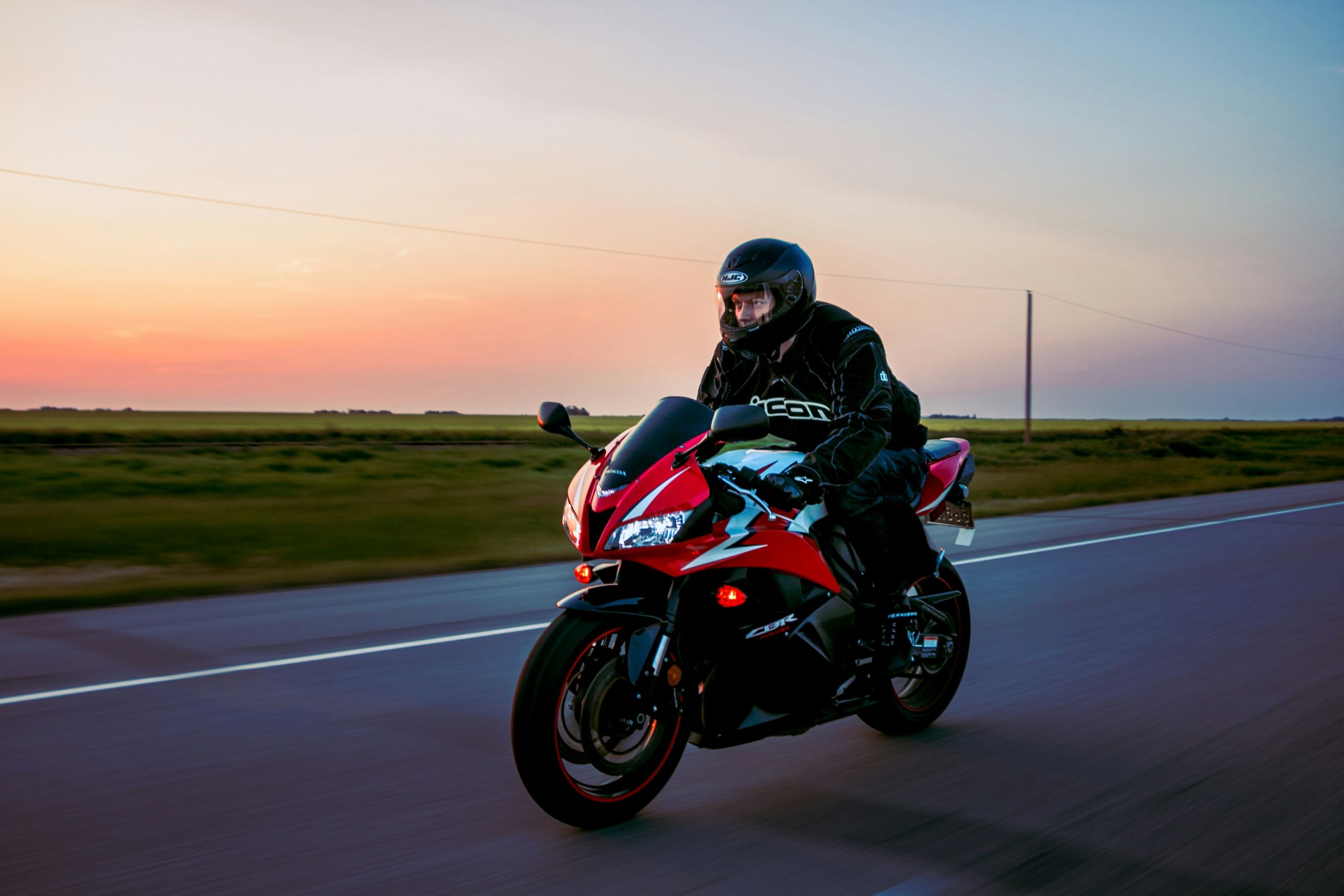
Photo by Joshua Reddekopp on Unsplash


