


How Professional Office Cleaning Protects Your Company’s Image
Written By: BOSS Editorial
Reading Time: 3 minutes
A company’s image starts at the front door, before anyone reviews a proposal or shakes hands. Visitors notice floor care, restroom hygiene, air freshness, dust, and lighting almost instantly. Employees read those cues too. A clean office suggests discipline, safety, and respect for everyone inside. Poor upkeep can raise quiet doubts. Professional cleaning protects reputation by making the workplace feel prepared, healthy, and well-managed each day.
First Impressions
First impressions form through small visual and sensory signals. Bright glass, clear walkways, fresh restrooms, and orderly shared areas tell guests the organization pays attention. With Blue Chip office cleaning, businesses can maintain high-use zones through planned routines, trained crews, and cleaning frequencies that match building traffic, weather, staff schedules, and client visits.
Trust Signals
People judge reliability through what they can see. Dust on shelving, fingerprints on doors, or stains near seating can suggest weak internal standards. Clean surroundings create a different message. They show control, preparation, and care. A visitor may never inspect back-office systems, yet visible hygiene often shapes confidence before the main conversation begins.
Employee Confidence
Staff members spend long hours inside the office, so the condition matters. Clean break rooms, stocked washrooms, and uncluttered work areas reduce daily irritation. Better upkeep can also limit exposure to dust, residue, and surface contamination. Employees often respond with greater pride when leadership protects their environment. That pride can improve behavior across shared spaces.
Health Perception
A workplace does not need to look clinical, but it should feel sanitary. Door handles, counters, elevator buttons, keyboards, and conference tables collect frequent hand contact. Routine disinfection lowers microbial transfer on these surfaces. Odor control and waste removal also affect comfort. When people sense freshness and order, the office feels safer.
Reception Areas
Reception areas carry unusual weight because they frame the first exchange. Flooring, seating, plants, signage, and glass all work together. A clean lobby tells visitors that appointments matter. Dusty tables or tracked-in soil can quickly weaken confidence. Regular attention keeps this public space aligned with the organization’s standards before anyone speaks.
Conference Rooms
Conference rooms deserve careful cleaning because important decisions often happen there. Crumbs, fingerprints, stained carpet, or marker residue can distract from budgets, contracts, hiring talks, and strategy. A clean room helps people focus on the subject. Prepared meeting spaces also show respect for time, privacy, and the seriousness of the discussion.
Restroom Standards
Restrooms can influence trust faster than most managers expect. Odor, empty dispensers, wet floors, or stained fixtures make people question broader care standards. Clean surfaces, stocked supplies, dry flooring, and consistent waste removal protect comfort. These conditions matter to employees, candidates, clients, and vendors. A well-kept restroom supports the image of competence.
Floors and Carpets
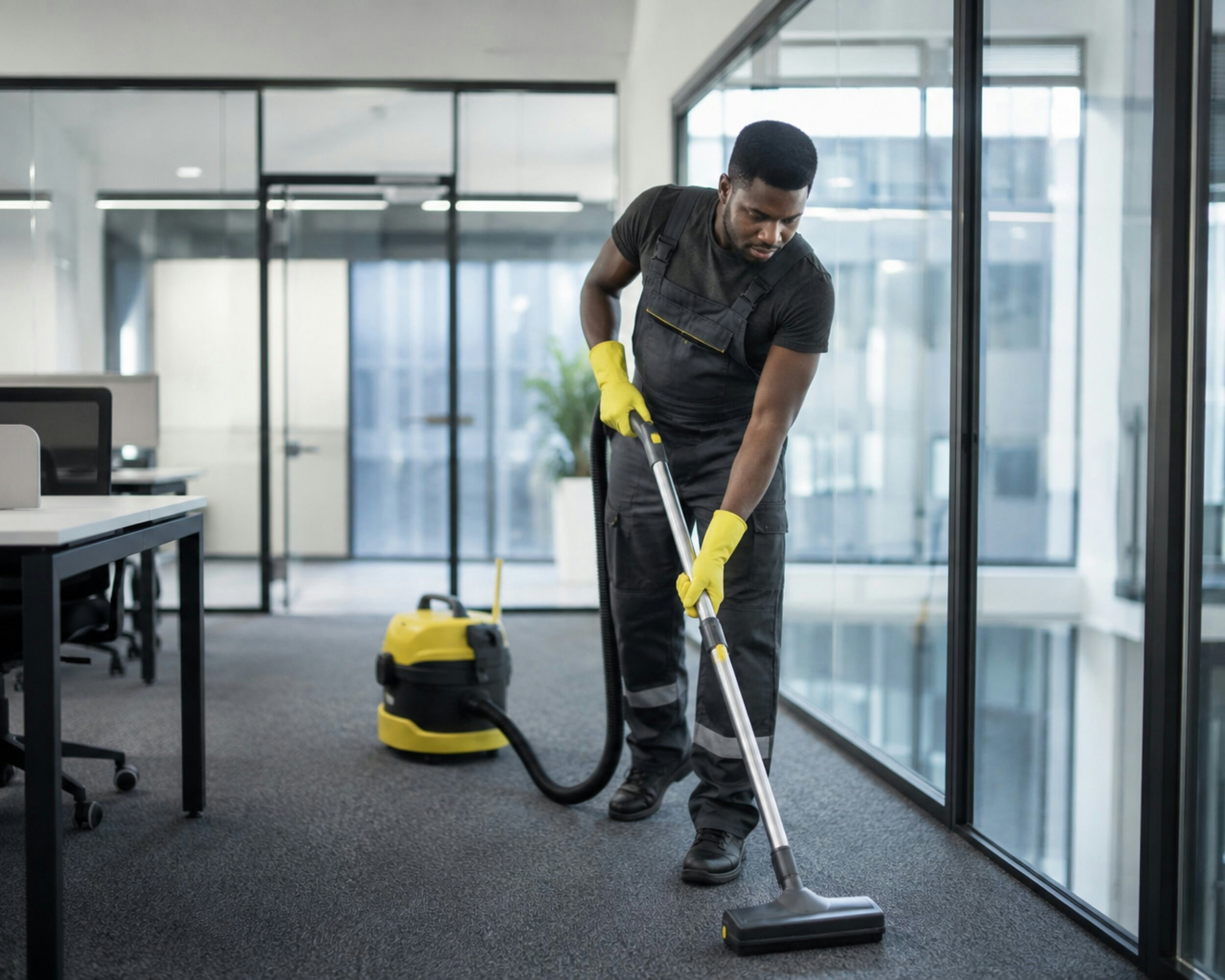
Floors show the history of daily use. Foot traffic, salt, rain, spills, and dust leave visible evidence. Regular vacuuming, mopping, spot treatment, and polishing preserve a sharper appearance. Clean flooring also supports safety by reducing grit, debris, and slip concerns. Carpet care can limit trapped particles that affect indoor air quality.
Windows and Light
Natural light changes how an office feels. Clean windows brighten work areas and make rooms appear more open. Smudges, fingerprints, and grime dull that effect. Glass doors, partitions, and entry panels need equal attention because they sit at eye level. Clear glass gives reception areas, private offices, and meeting rooms a sharper finish.
Consistent Standards
Reputation protection depends on steady routines. One deep clean cannot carry an active office for long. Cleaning schedules should reflect square footage, foot traffic, weather patterns, restroom volume, and visitor frequency. Daily tasks handle visible hygiene. Periodic services address floors, carpets, windows, and buildup. Consistency keeps small issues from becoming public problems.
Conclusion
Professional office cleaning protects a company’s image by making care visible in practical ways. Clean spaces support trust, comfort, health perception, and staff pride. They also reduce distractions during meetings, interviews, and daily operations. A strong cleaning program keeps the workplace aligned with the standards the business wants others to notice. Appearance never tells the full story, but it often shapes the first judgment.


