


Why Personalized Home Offices Are the Next Big Thing in Luxury Spaces
Luxury home offices used to feel intimidating, with dark wood panels, heavy desks, and furniture that shouted formality.

Written By: BOSS Editorial
Reading Time: 6 minutes
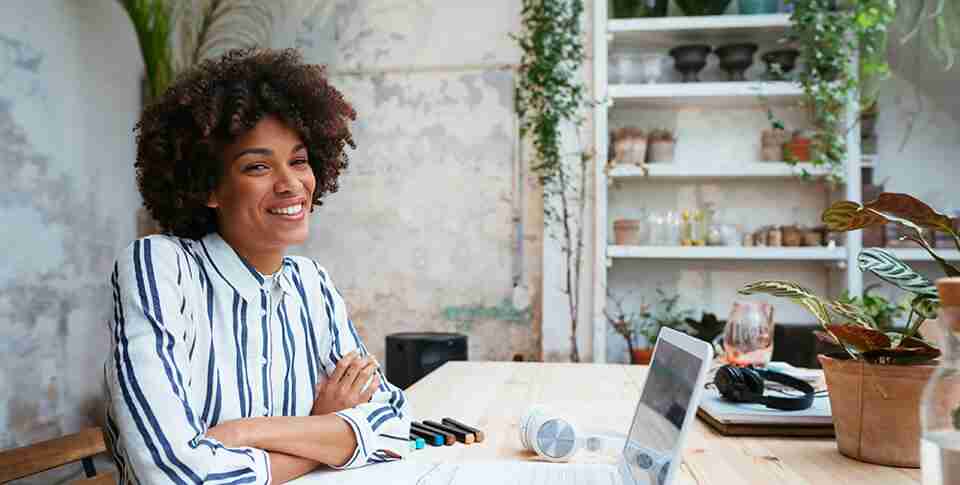
Remote work is booming, and it’s changing not only how we live but also how we design. While home offices were commonly a spare room with a desk and a computer, nowadays people are realising that these spaces need to be more than just a workspace. After all, it’s one thing to spend a few hours in there once in a while, and another thing entirely to work a full job from home.
Shifting Expectations for Luxury Work Zones
Luxury home offices used to feel intimidating, with dark wood panels, heavy desks, and furniture that shouted formality. Today, the best home offices are personal, flexible, and built to support both productivity and creativity. They are spaces you actually look forward to spending time in. Thoughtful touches like adjustable lighting, smart technology, and carefully chosen decor make the office feel alive rather than cold or corporate.
A well-designed workspace doesn’t just serve work tasks, it reflects who you are. A desk near a sunny window, a comfortable chair for thinking sessions, and a sofa or lounge spot for short breaks all help the room feel functional and welcoming. Adding small details like a favorite piece of art, a curated bookshelf, or a few plants brings warmth and personality to the space.
When your office is designed this way, it sends a message to yourself and anyone who visits that your work is important, but so is your well-being. The space encourages focus, inspires ideas, and supports your routines without feeling rigid. It’s no longer about impressing others; it’s about creating a room that works for your life and makes your day smoother and more enjoyable.
Materials That Inspire
In luxury design, materials must do more than look good. They need to age beautifully and feel natural each time you touch them. A desk surface in olive wood or bleached oak feels calm. Leather paneling carries warmth. Tactile textiles, such as boucle area rugs or silk-blend curtains, soften the space.
Selecting sustainable materials signals forward thinking. When craftsmanship is visible in joinery and finishes, the space communicates legacy, not excess. That difference is subtle but meaningful.
Balancing Technology
There’s a very good chance that your home office is going to include technology of some kind, but there’s a balance in making your space feel high-tech whilst still homely. You may want to go with an advanced route, designing with hidden monitors that rise from the desk or can be integrated into cabinets. Or you may want to go for a simpler approach, using things like wireless charging pads to avoid messy cables. Considering these little details helps you to have a functional room that doesn’t turn your workspace into a laboratory.
Reducing the amount of visible wiring and using smart lighting are the best ways to ensure your office still feels like it’s a part of your home. Tech features are there to improve function, but they shouldn’t take away the feeling of calm that working from home can provide.
Using Neutrals
All walls and wood furniture in darker tones give gravity, but adding beige creates warmth and balance. Think of how a neutral beige sofa chosen to complement your interior could refresh the room. The soft tone provides a grounding effect, inviting relaxation while complementing other materials like leather and wood.
Rather than appearing dull, neutral colors can provide both versatility and elegance, making the space feel cohesive and approachable. It acts as a subtle backdrop that enhances both comfort and style without overpowering the design.
Designing for Life, Not Just Work
A home office shouldn’t just be a place to get tasks done, it should feel like part of your life. Maybe you have a cozy reading corner by the window where you can think without distractions, or a small coffee station tucked into a sideboard for quick breaks.
These little touches make the room feel lived-in and inviting. Adding personal items like books, travel guides, or a few houseplants brings character and warmth, making the space feel like it belongs to you rather than just a desk and chair.
Personal Curation
Luxury isn’t just about flashy pieces; it’s about making your space feel intentional and meaningful. Each item should have a reason to be there, something that adds to how you live and work. When you choose objects thoughtfully, the room starts to tell a story that’s uniquely yours.
Think about framed prints that really reflect your taste instead of following the latest trend. A handcrafted console or side table might carry memories or a personal connection. Even the books you display or the plants you nurture contribute to the personality of the space.
When furniture and decor come together in this way, your office doesn’t just look polished, it feels lived-in and purposeful. That feeling of authenticity is the real mark of luxury. It’s less about impressing others and more about creating a space that supports who you are and what you do every day.
Why Customization Matters Now
Mass retail offerings rarely deliver both precision and comfort. Custom design does. Whether it’s desk height, lighting warmth, or fabric textures, having those tailored allows both style and support.
Direct-to-consumer models deliver craftsmanship without boutique pricing. Visible though invisible service, concierge guidance, and fast lead times let you bring custom pieces into your space without hassle, so design becomes sanctuary.
Frequently Asked Questions
Why make a home office feel luxurious?
Home offices are no longer treated as temporary workstations. For many, they have become central to daily life, so it makes sense to elevate them. A luxury home office combines comfort, design integrity, and practical features that support productivity. By blending function with atmosphere, these spaces deliver the same sense of investment and intentionality as a high-end kitchen or living room.
Should high-end offices feel cozy or formal?
The best offices balance both. Formal elements such as statement desks and architectural lighting preserve a sense of professionalism. At the same time, cozy touches like textured rugs or layered lighting make the space approachable. This duality ensures the office is versatile: you can hold virtual meetings without the room feeling overly casual, yet still retreat there for quiet reflection or reading.
How do design and technology coexist in luxe workspaces?
They coexist when technology is integrated seamlessly rather than displayed as clutter. Hidden cable systems, recessed lighting, and wireless charging surfaces are good examples of design and tech working together. The goal is not to overwhelm the eye with gadgets but to make their use intuitive.
Is customization worth it in office design?
Customization is a hallmark of luxury. Having a desk built to your preferred height or selecting fabrics that reflect your taste ensures the office is designed around you. It also extends to features such as lighting warmth, storage solutions, or seating support. While custom design requires a larger investment than off-the-shelf furniture, it pays off in daily comfort and longevity.
Can curated objects contribute to productivity?
Yes. A room that only feels functional can be uninspiring. By surrounding yourself with meaningful objects, you create a sense of ownership and identity. These pieces can inspire creativity, act as mental resets during breaks, and make the room feel like an extension of you. The result is not distraction but grounding.


