


Interview with Vancouver’s Mark Morabito: The Business of Space and the Mindset to Match
As one of Virgin Galactic’s original Future Astronauts, Morabito has been on the manifest since 2012. His goal? To be among the first 1,000 humans to see Earth from space.

Written By: BOSS Editorial
Reading Time: 6 minutes
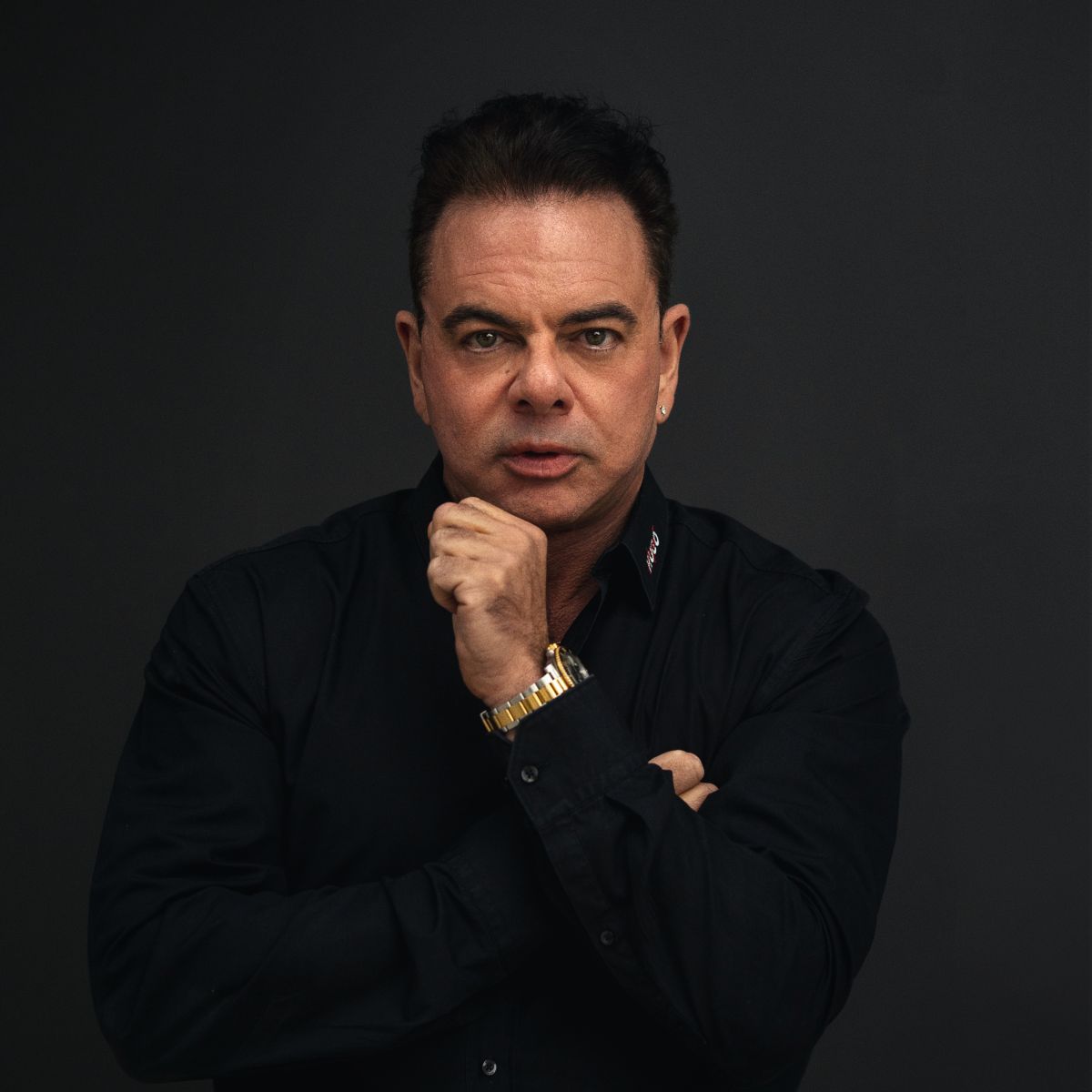
Known for his sharp instincts in mining and venture finance, Mark Morabito is no stranger to risk or to betting early on bold ideas. As the founder of King & Bay and a seasoned entrepreneur, he’s raised over $1 billion backing ventures others considered too early or too uncertain. But one of his most personal and ambitious investments wasn’t in metals or markets — it was in a seat to space.
As one of Virgin Galactic’s original Future Astronauts, Morabito has been on the manifest since 2012. His goal? To be among the first 1,000 humans to see Earth from space. In this exclusive interview, we talk to Mark about his journey from meeting Richard Branson to joining one of the most elite waiting lists in history — and how the program’s latest developments bring his long‑anticipated flight closer than ever.
How did your journey with Virgin Galactic begin?
MARK MORABITO: It started with a conversation at a charity fundraiser in 2011. Richard Branson was there. We talked about what was next for him, he mentioned Virgin Galactic, and I told him that I wanted to go to space. He said, “Are you serious?” I said I was. That turned into a conversation with Stephen Attenborough, Virgin Galactic’s commercial director at the time, and I wired the deposit the next day. Just like that, I became Future Astronaut #501. I got bumped to #444 when they restructured the manifest.
The commitment I made to this crystallized something for me: if you want to be part of the future, you can’t wait for it to become mainstream. You have to act while it’s still taking shape.
What does being part of the “Future Astronaut” community mean to you?
MARK MORABITO: The people in this group — now roughly 675 to 700 of us worldwide — are scientists, entrepreneurs, Olympians, educators, and artists. All of them believe in progress and want to be part of pushing human potential forward. When Jon Goodwin, an 80‑year‑old Parkinson’s patient and Olympic canoeist, flew on Galactic 02, it was a statement. It told the world that space isn’t just for the physical elite; it’s for those with the will to go.
Virgin has been intentional in curating a community of people who want to represent something while they’re up there. I’m proud to be part of the first wave of civilians who will experience a new era of accessible spaceflight.
The program has evolved dramatically since 2012. Where does Virgin Galactic stand today?
MARK MORABITO: The program is entering its most exciting phase yet. Virgin Galactic is now deep into the development of its Delta‑class fleet, the ships that will carry the bulk of its Future Astronauts to space. These next‑generation spaceplanes are designed to fly as often as twice per week, which would have sounded impossible when I first enrolled.
By Virgin Galactic’s latest public updates, the first Delta‑class research mission is targeted for summer 2026, followed by private astronaut flights in fall 2026. Over 90% of the structural components for the first Delta spacecraft are already complete, and final assembly is slated for 2025. They’re even preparing to reopen seat sales in early 2026 using a wave‑based onboarding system.
After years of development, redesign, and learning from Unity’s successful flights, the program now has a clear and realistic runway toward regular commercial operations. For someone who has been waiting more than a decade, that is tremendously encouraging.
What made you want to go to space in the first place?
MARK MORABITO: It’s part curiosity, part conviction. I’ve always been drawn to frontiers, whether in business, geography, or ideas. Space is the ultimate frontier. There’s a clarity that comes with seeing Earth from above. Astronauts talk about the “overview effect,” and I believe that kind of perspective changes how people think, lead, and build.
That’s the value of commercial spaceflight. It’s not just about the adventure. It’s about exposing more people to that awe and that realization that we’re all sharing one fragile planet. I want to experience that firsthand and bring that perspective back into how I operate in business and in life.
Virgin Galactic has had delays, redesigns, and tough headlines. Why stick with it?
MARK MORABITO: Because what they’re doing is real, and real innovation takes time. This isn’t ordering a rideshare. There have been engineering setbacks, safety recalibrations, even full vehicle redesigns. But every delay has been about doing it right.
I understand risk. I backed visionaries early in my business life. Virgin Galactic has always been transparent about the challenges and the steps forward. And the proof is there: Unity flew multiple missions with civilians, including the first mother‑daughter duo, Olympians, and researchers.
The long‑term vision is too important to quit on. Virgin Galactic is no longer just a space tourism company. It’s expanding into research missions, scientific payloads, and specialized aerospace applications. The opening of suborbital space is creating opportunities in materials science, biotechnology, climate research, and more.
And now, with the Delta fleet nearing completion, the timing has never been more promising.
What have you learned through this experience that you apply to your business ventures?
MARK MORABITO: First, that momentum favors early movers. I joined Virgin Galactic when it was just a bold concept with a mockup. That’s how I approach business: I back strong visionaries early and help de‑risk their path.
Second, patience. Being a Future Astronaut means playing the long game — years of waiting, training, and trust. That parallels what we do at King & Bay. Whether we’re developing a copper project in Arizona or a silver mine in Nevada, it takes years to go from idea to exit. The winners are the ones who stay focused through uncertainty.
When do you expect to fly — and how are you preparing?
MARK MORABITO: I don’t have an exact date yet, but the 2026 timeline is the clearest and most credible the program has ever posted. With research flights planned for summer and private astronaut flights for fall, my position at #444 puts my opportunity firmly within reach. I stay ready physically and mentally. That means staying fit, maintaining my health, keeping up with program updates, and preparing for the training phases. I’m not in a rush — this is something to be ready for, not something to chase.
For me, becoming a Future Astronaut isn’t only a personal dream. It’s about helping advance a broader movement — one that pushes humanity upward, outward, and forward.
And soon, I’ll get to experience that view myself.


