


Cutting long-term maintenance costs: the business case for rubberized roofing

Written By: BOSS Editorial
Reading Time: 4 minutes
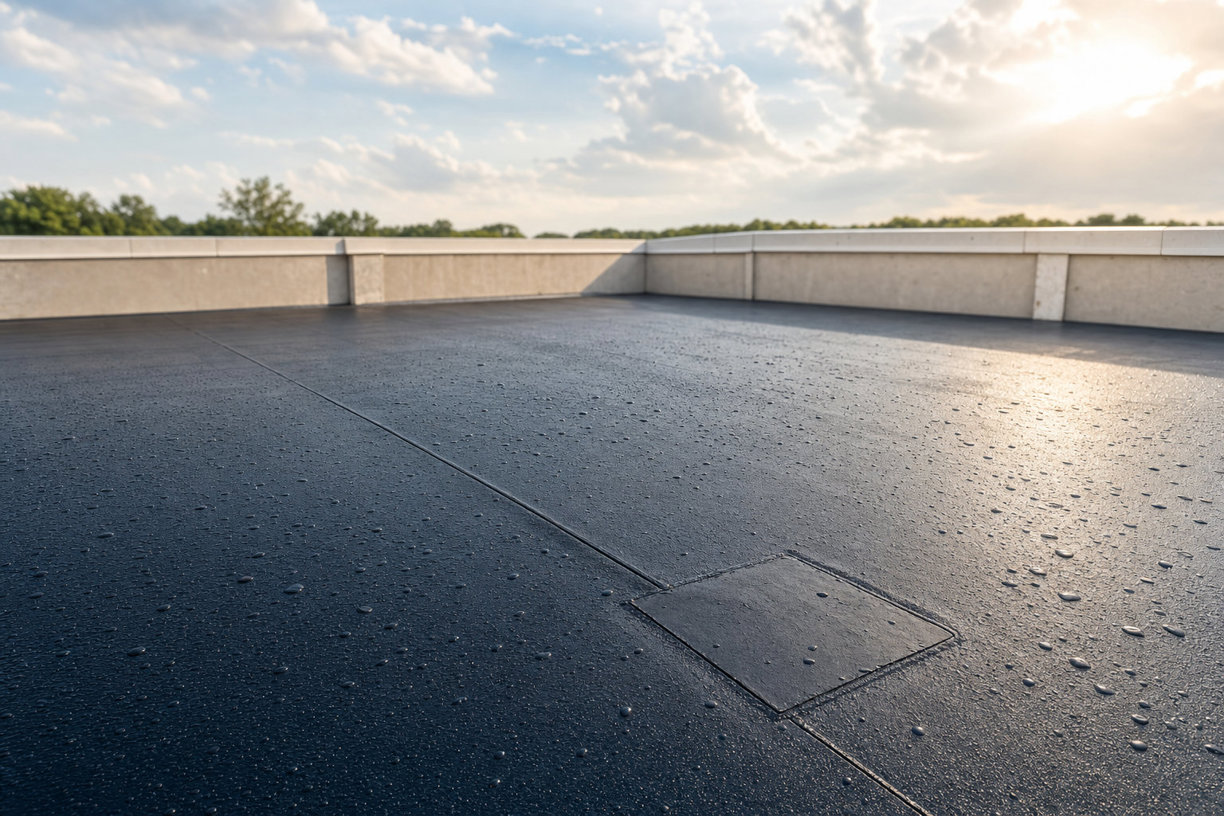
Source: images.bazoom.net
Commercial roofing decisions have a direct impact on the bottom line and future risk for property owners. In Atlanta, the right choice can reduce commercial roofing costs, lower energy bills, and safeguard core operations. This article explores why rubberized roofing is gaining traction as a reliable, cost-effective solution against the realities of the local climate and facility needs.
Business leaders and facility managers across Atlanta understand that ongoing roof upkeep can rapidly erode operational budgets, sometimes exceeding the original installation cost over decades of use and shortening commercial roof lifespan. With persistent heat, humidity, and strong storms, the quest for reduced downtime and long-term savings often comes down to selecting low maintenance roofing that demands less unexpected attention. Rubberized roofing materials, especially EPDM membranes, are increasingly seen as a way to minimize these hidden costs, offering measurable roofing ROI compared to traditional roof systems.
Durability advantage in Atlanta’s climate
Durability directly influences long-term maintenance costs and operational risk for commercial properties. EPDM roofing and other rubberized roofing options are engineered to withstand the persistent UV exposure, dramatic temperature fluctuations, and heavy rain typical of Atlanta’s weather. This rubber roof durability helps prevent premature membrane cracking, deterioration, or costly water infiltration that can trigger expensive emergency repairs.
Comparatively, traditional materials like asphalt-based built-up roofing or metal panels offer proven performance, but each has potential drawbacks under local conditions. Asphalt roofs tend to break down faster under intense sun and may require more frequent patching or recoating, which increases commercial roofing costs. Metal roofing is durable but can experience expansion, contraction, and joint fatigue, especially problematic in a region prone to humidity and rapid weather shifts. For example, a logistics facility in the Atlanta suburbs faced recurring seam failures with a metal roof, ultimately turning to a flat roof rubber membrane to cut repair frequency and contain costs.
Lowering energy use and routine upkeep
Energy efficiency is a significant concern for Atlanta businesses managing large interior spaces. Rubberized roofing systems often support energy efficient roofing by reflecting sunlight and maintaining a more stable building envelope. This can translate to lower utility bills and reduced strain on HVAC systems, especially during Atlanta’s sweltering summers.
Traditional roof types may fall short in this regard, occasionally allowing more heat transfer and leading to higher monthly energy costs. Additionally, low maintenance roofing demands fewer routine inspections and repairs. Maintenance tasks, when required, are generally less invasive, and EPDM roofing can often be serviced with targeted seam work rather than major tear-offs. Hospitals, schools, and distribution centers have reported measurable drops in both building energy use and routine maintenance spend after installing a flat roof rubber membrane.
Reducing risk of costly disruptions
Every maintenance call or emergency roof repair can disrupt core business functions and erode profitability. Rubberized roofing offers strong resistance to leaks and punctures, especially when properly installed and maintained. For instance, Atlanta-area office parks with flat or low-slope roofs have leveraged this rubber roof durability to avoid water damage, interior business interruption, and tenant complaints during the rainy season.
It’s critical, particularly for high-traffic facilities, to recognize that the savings extend beyond occasional repairs. Fewer surprise interventions mean predictable operating costs and greater operational continuity while protecting commercial roof lifespan. When opting for professional installation, working with a knowledgeable rubber roofing contractor in Atlanta ensures proper material selection and attention to local climate factors, and a rubber roofing contractor Atlanta can also help standardize details that reduce future service calls.
Making the business case: examples and ROI modeling
Modeling the total cost of ownership reinforces the financial benefits rubberized roofing can deliver for Atlanta properties. For example, an Atlanta-based retail complex that replaced its aging built-up roofing with EPDM reported substantial drops in annual repair bills and avoided unplanned closures due to leaks. Similarly, a distribution warehouse found that proactive investment improved roofing ROI by reducing disruptive, frequent patchwork and translating into uninterrupted tenant operations and long-term savings.
Facility managers should compare not only installation costs, but also expected maintenance, downtime risk, and the impact of energy efficient roofing on long-term budgets. In an evolving market where every operational dollar matters, owners often rely on a rubber roofing contractor Atlanta to document performance expectations and protect commercial roof lifespan. By weighing commercial roofing costs against lifecycle outcomes, rubberized roofing provides a compelling business case for those seeking predictable costs, fewer surprises, and higher lifecycle ROI in Atlanta’s demanding climate.
More Articles Like This

Proptech & Consolidation: Reshaping Real Estate’s Future
Proptech and mergers are reshaping real estate. The Compass-Anywhere deal shows how firms use tech and scale to compete in a tighter market.

What Is the Best Heavy Equipment for Large-Scale Construction Projects?
Learn how to select heavy equipment for construction projects while boosting your return on investment, reducing risk, and using the latest technologies to keep efforts...

From Emergency to Cosmetic: One Dental Office for All Your Needs
Modern dental care has evolved far beyond the days of uncomfortable chairs and sterile environments. Today, dental offices have transformed into comprehensive care hubs...

Decommissioning Decoded: Unlocking 6 Upsides of Facility Closure
Learn about the six upsides of facility closure to decide on the fate of unprofitable assets for the benefit of the organization over the long term.

Smart Strategies for Managing Commercial Property Damage
Managing commercial property damage is a critical task for any business owner or property manager. Damage can occur suddenly due to natural disasters, accidents, or unforeseen...

The New Town Renaissance: Why Planned Communities Are Cool Again
Find out why planned towns are making a comeback. Let's take a look at why planned communities are cool again.


