

Innovative Methods for Sustainable E-Waste Management and Disposal
We can transform e-waste from a burden into a sustainable source of materials, creating a closed-loop system for a greener future.
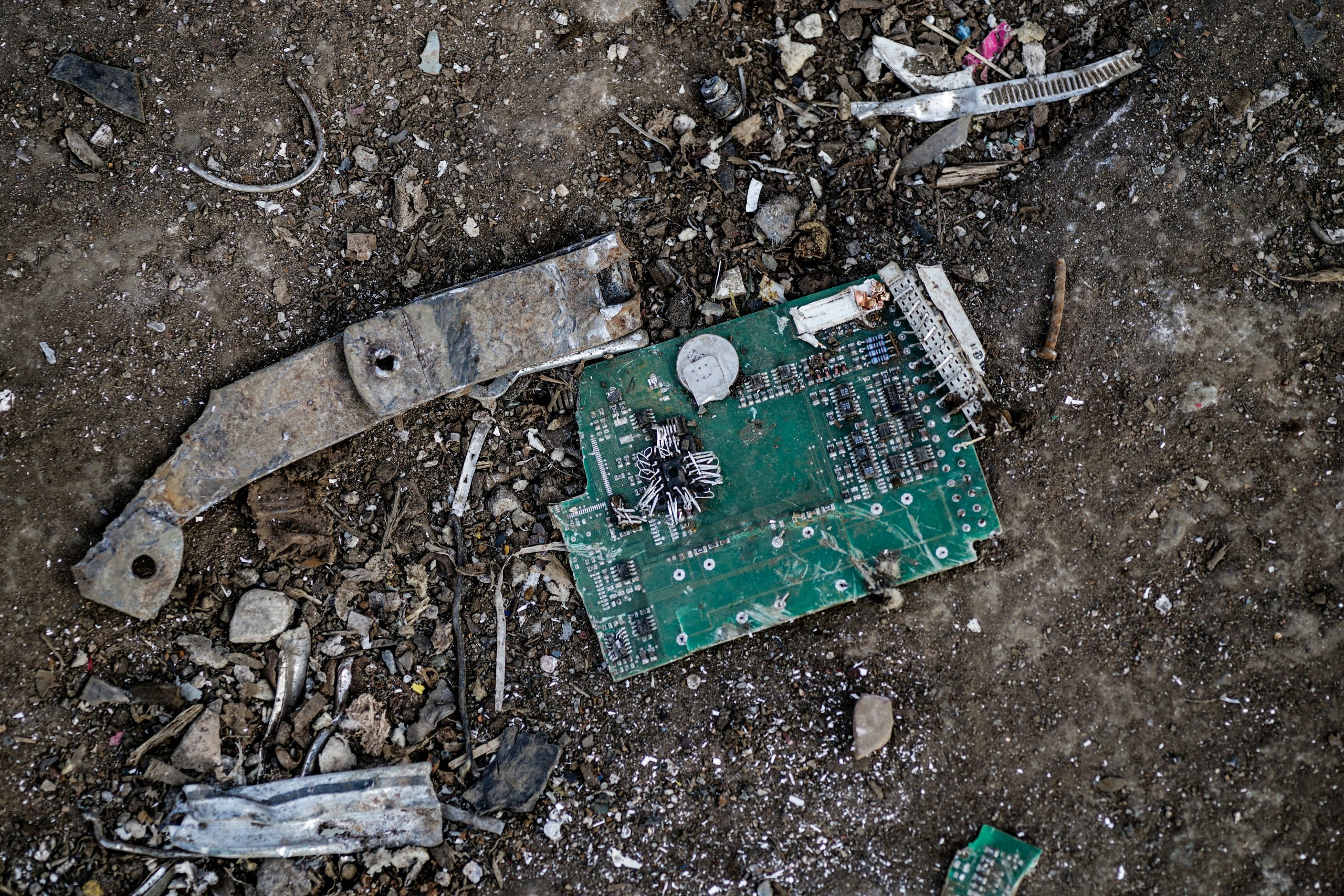
Written By: BOSS Editorial
Reading Time: 4 minutes
Electronic garbage, or “e-waste,” has grown to be a serious environmental problem as technology develops.
UNITAR states that 62 million tons of e-waste were created in 2022, an 82% increase from 2010. This amount is expected to increase by an additional 32% to 82 million tons by 2030. Only 1% of the current demand for rare earth elements is satisfied by recycling e-waste, resulting in the loss of billions of dollars.
When old devices are disposed of improperly, dangerous substances can leak into the ground and water, seriously harming the ecosystem. To address this issue, innovative methods for e-waste management and disposal are essential.
Aiming to lessen the environmental effects of e-waste while encouraging a circular economy, these strategies range from sophisticated recycling processes to community-based projects. With this, we can guarantee the responsible disposal of our electronic gadgets and make a positive contribution towards a more sustainable future.
Computer Waste Recycling Services
Earth.org reports that e-waste mismanagement releases about 58,000 kilograms of mercury and 45 million kilograms of plastics with brominated flame retardants annually. This pollution significantly impacts the environment and public health. Effective e-waste recycling is crucial to mitigate these harmful emissions.
Computer waste recycling services are leading the e-waste management advancement. These services focus on securely disassembling and processing obsolete computers, as well as extracting precious materials such as gold, silver, and rare earth metals. IT recycling services often employ advanced technologies to efficiently sort and separate components, ensuring minimal environmental impact.
According to We Buy Used IT Equipment, consumers and businesses can ensure that their e-waste is handled responsibly by working with certified recycling facilities. These services also often offer data destruction solutions to protect sensitive information from falling into the wrong hands. Emphasizing recycling can significantly reduce the environmental footprint of discarded computers and promote resource conservation.
Eco-Friendly E-Waste Disposal Technologies
Eco-friendly e-waste disposal technologies are revolutionizing the way we manage electronic waste. Innovations such as hydrometallurgical processes and biotechnological methods are emerging as more sustainable alternatives to traditional recycling.
MDPI mentions that the hydrometallurgical process for e-waste recycling relies heavily on chemical reagents. Strong acids are used to extract base metals, while precious metals are leached out using substances like cyanide, halides, thiourea, and thiosulfate. This method demands significant amounts of chemicals and generates various by-products and large volumes of waste.
Biotechnology employs microorganisms to break down toxic components and recover metals, offering a greener solution. These innovations improve the effectiveness of e-waste processing while also reducing the negative effects on the environment. Through the utilization of such techniques, we can advance toward more environmentally responsible and sustainable e-waste management processes.
Community-Based E-Waste Recycling Initiatives
Community-based e-waste recycling initiatives play a crucial role in promoting sustainable disposal practices. Local programs and events encourage residents to bring in their old electronics for responsible recycling, often partnering with certified recyclers to ensure proper processing. These initiatives raise awareness about the importance of e-waste recycling and provide convenient options for disposal.
Some programs also offer incentives, such as discounts on new electronics or donation opportunities, to motivate participation. This helps reduce the volume of e-waste ending up in landfills and supports environmental sustainability by fostering community engagement and providing accessible recycling options.
The WHO is actively involved in international e-waste programs and pilot projects across Latin America and Africa. These initiatives aim to create frameworks for safeguarding children’s health from e-waste exposure. The developed strategies are designed to be adaptable and replicable in various countries and contexts.
FAQs
What are the benefits of e-waste recycling?
E-waste recycling recovers valuable materials like gold and rare earth metals, reducing the need for mining. It also prevents hazardous chemicals from polluting soil and water. Through recycling, we support environmental conservation and resource efficiency, making a positive impact on the planet.
How do eco-friendly disposal technologies work?
Eco-friendly disposal technologies use advanced methods like hydrometallurgy and biotechnology to process e-waste. Hydrometallurgy involves using chemicals to extract metals, while biotechnology employs microorganisms to break down harmful components. These approaches minimize environmental damage and improve recovery efficiency.
How can communities support e-waste recycling?
Communities can promote e-waste recycling by organizing collection events and partnering with certified recyclers. Offering incentives, such as discounts or donation opportunities, encourages participation. Education about proper disposal practices also helps reduce landfill waste and supports sustainable environmental practices.
The rapid rise of e-waste poses a significant threat, but innovative solutions are emerging. Advanced recycling techniques recover valuable resources and minimize environmental harm.
Community involvement through collection drives and education is crucial. We can transform e-waste from a burden into a sustainable source of materials, creating a closed-loop system for a greener future.
More Articles Like This


From fake to favorite: food’s big flex
Consumer demand for plant-based foods is intensifying, fed by an emerging class of enthusiasts – the flexitarians

Build Without the Bottlenecks: 4 Tools Helping Software Teams Move Faster
Explore four tools helping software teams move faster by improving testing, browser automation, app generation, and AI-ready data infrastructure.

How Steve Rozenberg Went From Airline Pilot to Business Solutions Expert for Contractors
Learn how Steve Rozenberg transitioned from airline pilot to business solutions expert, using systems and structure to help contractors build scalable...

