


Just What the Doctor Ordered
It’s something to celebrate, so let’s take a look at some of 2024’s biggest medical breakthroughs and some that could be on the horizon for 2025 and beyond.

Written By: Damien Martin
Reading Time: 7 minutes
Medical breakthroughs of 2024 and ones to look forward to
Science never stops, and so medical breakthroughs keep coming. Researchers learn a little more about diseases and possible solutions every year, sometimes making incremental progress and sometimes cracking the case and finding a lasting cure. It’s hard work that can be painstaking but ultimately greatly rewarding. It’s something to celebrate, so let’s take a look at some of 2024’s biggest medical breakthroughs and some that could be on the horizon for 2025 and beyond.
Progress Made

Liquid Biopsies
The main way to diagnose cancer is through a biopsy. Doctors remove tissue from a patient’s body and then put the tissue through a series of tests to detect cancer. It’s obviously inconvenient and can be quite painful. With the development of liquid biopsies, however, pathology labs can test a blood sample for tumor DNA.
“Liquid biopsy can be a noninvasive way of assessing how well a patient is responding to treatment, and even guiding in real-time treatment de-escalation,” said Ari Rosenberg, MD, a UChicago Medicine oncologist. “It’s useful in people who already have a cancer diagnosis because we know the DNA mutations present in their tumor from the original biopsy, and we know what we’re detecting in the liquid biopsy is actual tumor DNA.”
Reversing Lupus
Like other autoimmune diseases, lupus causes the immune system to attack healthy cells instead of foreign pathogens. After extensive study, researchers have found a molecular abnormality in lupus patients that might be the cause – and could be reversible.
“What we found was this fundamental imbalance in the types of T cells that patients with lupus make,” Deepak Rao, one of the study authors, said to NBC News. “People with lupus have too much of a particular T cell associated with damage in healthy cells and too little of another T cell associated with repair.”
By blocking a protein called interferon which is the main cause of the imbalance, doctors stop it.
Artificial Limb Control

A new surgical procedure and neuro-prosthetic interface developed by MIT and Brigham and Women’s Hospital researchers has allowed patients with artificial legs to walk at a normal gait, with their nervous systems in total control of the limbs. They walk faster than other patients with artificial legs and avoid obstacles more easily. They also experience less pain and muscle atrophy.
“This is the first prosthetic study in history that shows a leg prosthesis under full neural modulation, where a biomimetic gait emerges. No one has been able to show this level of brain control that produces a natural gait, where the human’s nervous system is controlling the movement, not a robotic control algorithm,” MIT Prof. Hugh Herr said.
Remote Glucose Monitoring
Patients with Type 2 diabetes are constantly checking their blood glucose levels. The readings can dictate much of their day: what to eat, how to exercise, and how to medicate. It typically involves a needle prick to get blood for testing. However, in March, the FDA approved the first over-the-counter continuous glucose monitor intended for Type 2 diabetes patients who don’t take insulin. A wearable sensor pairs with an app to show patients their blood glucose levels without a prescription.
“There are definitely pros and cons to making a nonprescription form of this device available,” said NYU Langone endocrinologist Michael B. Natter. “Not monitoring blood glucose is like trying to fly an airplane with a blindfold on. You know that you’re in the air, but you don’t know how fast you’re going or whether you’re going up or down. A continuous glucose monitor effectively takes that blindfold off.”
Precision Oncology
It’s not just the diagnosing of cancer that’s changing, it’s the treatment as well. Researchers have begun classifying cancers by more precise types than the part of the patient’s body they’re afflicting. Finding these molecular fingerprints in cancer gives doctors the information about a tumor they need to pick the most effective form of treatment. That can leave patients with less taxing treatments than chemotherapy and more healthy cells left.
“Precision oncology is the best new weapon to defeat cancer,” Sizhen Wang, co-founder and CEO of Genetron Health, told the World Economic Forum. “Doctors and patients both need this weapon. They need more stable and reliable medical solutions with simple, standard operating procedures, shorter turnover times, fewer testing samples, and lower treatment costs.”
Coming Soon
Norovirus Vaccine
Anyone who has been on a cruise knows the dangers of norovirus. People converging from all over the world pack together in close quarters, and spreading illness can make for a very unpleasant experience. It’s a problem in hospitals, schools, daycares, and retirement homes as well, with vomiting and diarrhea common symptoms. In old and young patients with weaker immune systems, worse things can happen. Norovirus affects hundreds of millions of people every year and is responsible for about 200,000 annual deaths.
Fortunately, there’s a vaccine called Nova 301 in Phase 3 clinical trials underway using mRNA technology. The large-scale trials are focusing on patients over the age of 60, and the vaccine could be on the market soon if Nova 301 proves at least 65% effective.
“We wouldn’t be doing this sort of trial at this sort of pace if it wasn’t going to benefit the individuals themselves,” Prof. Saul Faust of the University of Southampton told the Guardian.
Non-Invasive Prenatal Diagnosis
Amniocentesis can tell expectant parents a lot about their baby. Doctors can use amniotic fluid to diagnose or rule out genetic and disease risks. Sticking a needle into the amniotic sac does carry with it a small but significant chance of causing miscarriage, however.
Advances in genomics have led to the discovery of cell-free fetal DNA that can be found in the mother’s bloodstream. Fragments of DNA from the fetus enter the mother’s bloodstream as fetal cells break down, and new tests are being developed to find this DNA from a simple blood test from the mother. Using these, doctors will be able to get the same information they do from amniotic fluid (such as risk for Down syndrome, Edwards syndrome, and Patau syndrome) without the added risk from amniocentesis.
Gene Editing
CRISPR (clustered interspaced short palindromic repeats) is a part of microbe immune systems that stores part of a virus’ genome in its own, using that information to attack the virus the next time it encounters it. Scientists have figured out how to use it and related proteins to edit genes, attacking toxic cells and regenerating beneficial ones. In time, the use of CRISPR could help doctors fix genetic diseases such as Duchenne muscular dystrophy and sickle cell anemia.
“CRISPR is not merely a tool for research. It’s becoming a discipline, a driving force, and a promise that solves long-standing challenges from basic science, engineering, medicine, and the environment,” Stanford bioengineer Stanley Qi said. “Together, we can think innovatively about how to match needs with technologies to solve the most challenging problems.”
Hyper-personalized Medicine
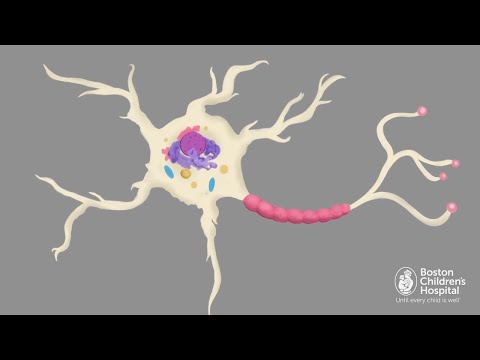
The personalization of medical care has been underway for several years. Hyper-personalization takes things even further, with medical treatments tailored in minute detail to a person’s genetics, diet and exercise regimen, and environment. Gene editing can play a big role, as can wearable medical devices that monitor all aspects of the user’s health. Such developments can make it easier to treat patients with extremely rare diseases. In cases where they’re the only known person with their specific condition, doctors can even design a drug just for them. Hyper-personalization won’t make us live forever, but it’ll certainly prolong life spans.
Cancer vaccines
Another major development owed to mRNA vaccine research that brought about Covid-19 vaccines, the Cancer Vaccine Launch Pad matches cancer patients with suitable cancer vaccine trials. The vaccines being trialed aim to target cancer cells and reduce the risk of recurrence. Therapeutic vaccines might be able to take the place of chemotherapy, keeping tumors from growing and even destroying cancer cells. Preventive vaccines can make sure bodies don’t develop certain types of cancer.
“Cancer vaccines have the potential to improve the way we treat the disease, particularly for those cancers where treatment options are currently limited or very demanding on patients’ bodies,” Prof. Gareth Griffiths, director of Cancer Research UK at the Southampton Clinical Trials Unit, told the BBC.
More Articles Like This

Why Flexibility Makes Online Certifications Attractive To Professionals
Flexible online certifications solve a practical problem: they fit into the cracks of a busy schedule without demanding a full reset of your day.

AI in Healthcare: OpenAI, Microsoft, and Others Accelerate Health Tech Hiring
Big tech and startups are investing heavily in AI healthcare roles, with salaries reaching $460K.

Holistic Health Approaches to Overcome Anxiety and Chronic Pain
Holistic Health approaches combine natural remedies, lifestyle adjustments, and evidence-informed practices to help individuals regain control of their well-being from multiple...

How Integrative Therapy Training Opens New Career Opportunities
The mental health field continues to expand as society grows more attuned to emotional, psychological, and relational needs. As traditional modalities evolve, many...

Recognizing When Assisted Living Becomes a Necessary Choice
As individuals age, they may face changes in their health, mobility, and daily living capabilities. These changes can result in challenges that impact their safety and quality of...

The Right Way to Approach Emotional Recovery After Physical Trauma
Here's how to approach emotional recovery the right way and why it deserves the same attention and care as physical treatment.


